

Treatment types

Stem Cell Injection in Malaysia: Delivery Types, What Is Injected, Cost & Safety

A stem cell injection in Malaysia refers to the clinical administration of living regenerative cells—or cell-derived biological signaling factors—via either systemic intravenous (IV) infusion or localized injection (such as intra-articular joint injection or intradermal facial/scalp micro-injection).

Explore the guide

Medically reviewed by Dr. Somasundaram Sathappan, Consultant Plastic and Reconstructive Surgeon (MMC Reg. No. 28102)
Written by the Stem Cell Malaysia Editorial Team · Last reviewed: · Our editorial policy

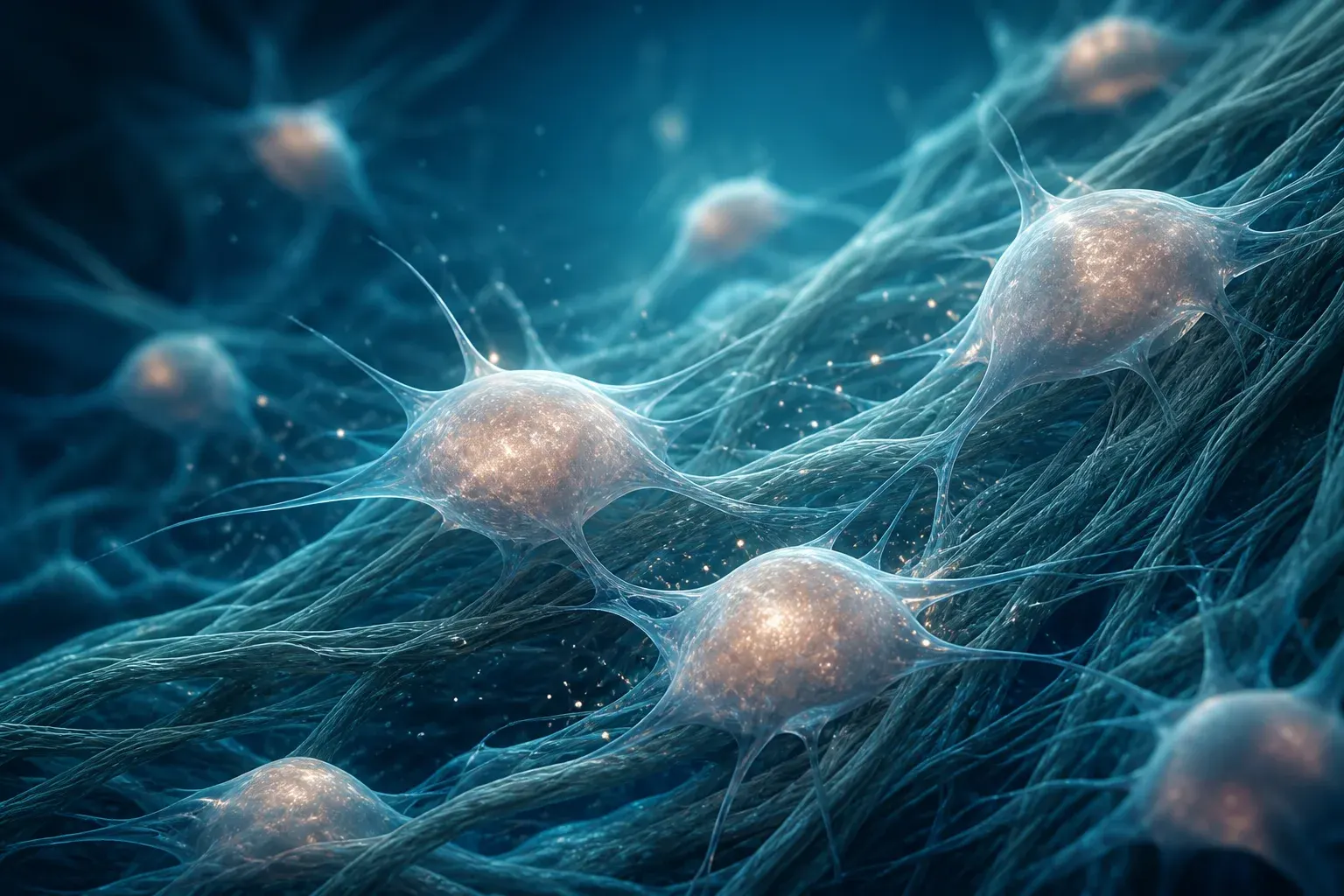
Illustration of mesenchymal stem cells within tissue
Injection guide

Quick summary

1. Answer-First Summary: What Is a Stem Cell Injection & How Is It Used in Malaysia?

01

Delivery Routes

  • Local Joint Injections: Deliver concentrated cells directly into damaged knees, shoulders, or tendons to treat localized musculoskeletal conditions.
  • Local Facial/Scalp Injections: Target superficial dermal layers or follicular environments for localized tissue remodelling.
  • Systemic IV Infusions: Circulate preparations through the peripheral bloodstream, where most cells undergo initial trapping in the pulmonary microvasculature.
02

What Is Actually Injected

Clinics frequently use the umbrella term "stem cell injection" for three distinct substance classes:

  • Living Mesenchymal Stem Cells (MSCs): Autologous or allogeneic living cells capable of dynamic paracrine signaling.
  • Conditioned Media / Secretome: Cell-free liquid preparations containing secreted proteins and growth factors.
  • Exosomes: Nanometer-sized extracellular vesicles that are NOT living cells and cannot self-renew or differentiate.
03

Legal & Cost Snapshot

Stem cell treatments are permitted in Malaysia only when administered by an MMC-registered doctor in an MOH Act 586–licensed facility using NPRA-compliant preparations. General Malaysian costs range from RM 1,500 – RM 6,000+ for cell-free exosome/secretome sessions, RM 5,000 – RM 18,000 for point-of-care autologous joint injections, and RM 15,000 – RM 60,000+ for regulated culture-expanded MSC protocols.

Three injection routes

2. Types of Stem Cell Injections: IV Infusion vs. Local Joint vs. Facial Injections

The delivery route determines how cells distribute throughout the body, their local retention rate, their safety profile, and their overall clinical intent.

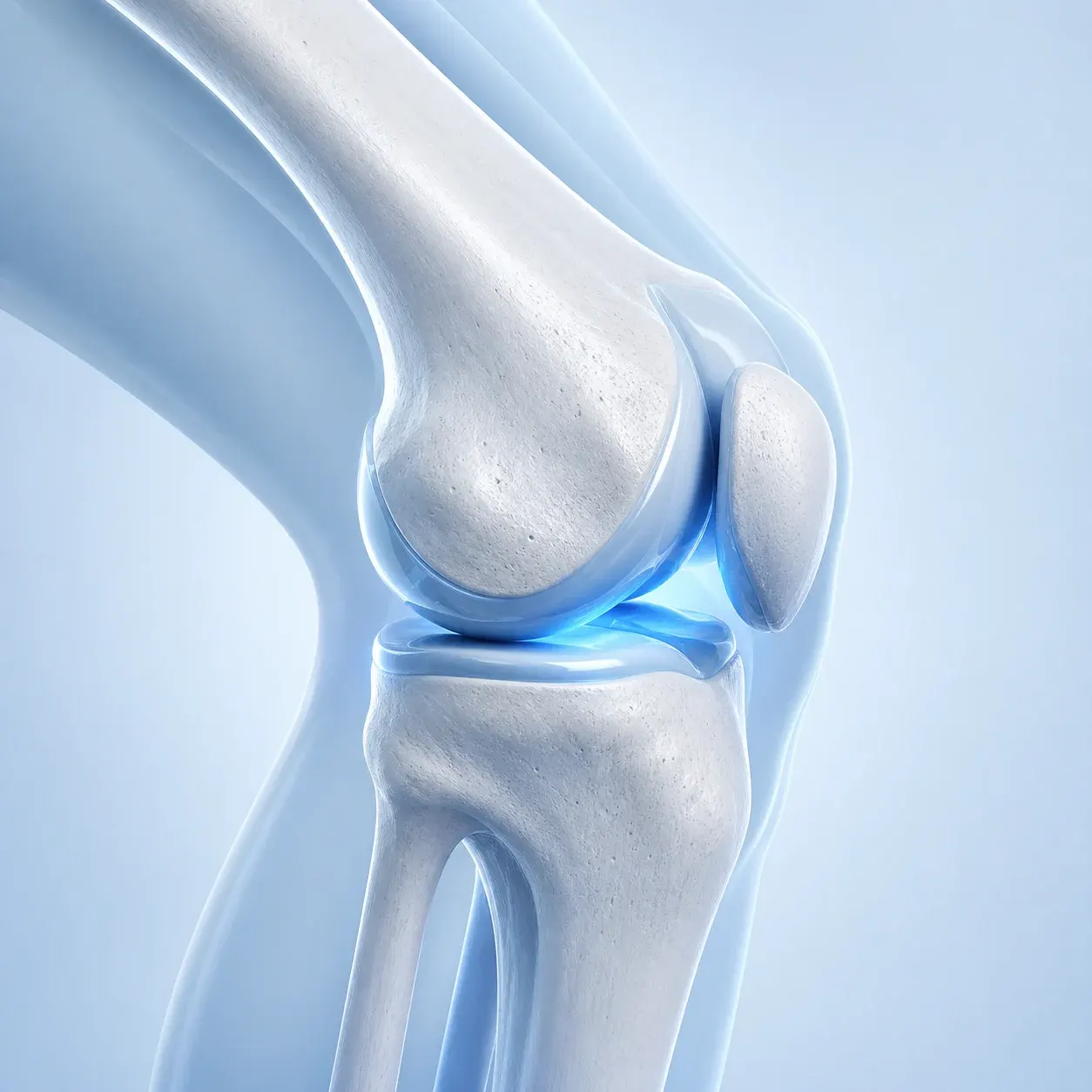
Illustration of a knee joint

1. Local Joint & Musculoskeletal Injections (Intra-Articular / Peritendinous)

  • Mechanism: Guided by musculoskeletal ultrasound or fluoroscopy, living cells (such as autologous bone marrow aspirate concentrate [BMAC], stromal vascular fraction [SVF], or regulated culture-expanded MSCs) are introduced directly into the intra-articular joint capsule (e.g., knee osteoarthritis) or around damaged tendon sheaths.
  • Clinical Rationale: Delivers the therapeutic payload directly to the site of localized inflammation and cartilage degradation, maintaining high local tissue exposure without systemic dilution.
Illustration of facial skin treatment areas

2. Local Facial & Scalp Micro-Injections (Intradermal / Subdermal)

  • Mechanism: Administered using fine-gauge needles, micro-cannulas, or microneedling-assisted channels directly into facial dermal layers or scalp tissue surrounding hair follicles.
  • Clinical Rationale: Utilizes autologous cellular fractions or cell-free secretome/exosome solutions to provide localized paracrine signaling for skin remodelling or microenvironmental follicle support.
Illustration of cells travelling through the body

3. Systemic Intravenous (IV) Infusion

  • Mechanism: Administered through a peripheral IV catheter over 30 to 60 minutes, allowing cells to circulate systemically.
  • Biological Reality (Pulmonary First-Pass Effect): Biodistribution research shows that the vast majority of intravenously infused MSCs become temporarily trapped in the capillary network of the lungs within minutes. There, they secrete transient immunomodulatory factors before being cleared by systemic macrophages within days.
  • Regulatory Caution: Commercial IV stem cell infusions marketed for general "anti-ageing," broad "wellness," or unproven systemic conditions carry elevated systemic risks and are subject to strict regulatory scrutiny in Malaysia.

Route Comparison: IV Infusion vs. Local Joint vs. Facial/Scalp Injection

ParameterLocal Joint InjectionLocal Facial/Scalp Micro-InjectionSystemic IV Infusion
Primary Target AreaSpecific joint space or tendon sheathDermal skin layers or hair follicle scalp microenvironmentSystemic vascular circulation
Delivery GuidanceUltrasound or fluoroscopy guidedMicro-cannula, fine needle, or microneedlingPeripheral IV line standard setup
Primary Clinical IntentLocalized cartilage/joint inflammation managementLocalized tissue remodelling or follicle environment supportSystemic immunomodulation or research protocols
Cell Retention & DistributionHighly localized within joint capsuleHighly localized within dermal/subdermal layersRapid pulmonary microvascular trapping (first-pass clearance)
Typical Preparation UsedAutologous BMAC, SVF, or expanded MSCsCell-free exosomes, secretome, or autologous cell fractionsCulture-expanded MSCs (investigational/approved protocols)
Regulatory & Evidence StandingRecognized clinical evidence for knee osteoarthritisAesthetics regulated under MOH/NPRA cosmetic & device rulesStrict NPRA approval / CTIL clinical trial required

Preparation types

3. What Is Actually Injected? MSCs vs. Secretome vs. Exosomes

Patients must confirm the precise contents of any therapeutic syringe. Clinics frequently market cell-free biological preparations under the general label of "stem cell injections."

Biological preparation types

Living cell preparations

Mesenchymal Stem Cells (MSCs)(Living, dynamic, multipotent)

1. Mesenchymal Stem Cells (MSCs) — Living Cells

  • Biological Nature: Living, multipotent stromal cells harvested from autologous tissues (bone marrow, adipose fat) or screened allogeneic tissues (e.g., umbilical cord Wharton's jelly).
  • Mechanism of Action: Living MSCs actively respond to localized inflammatory signals in the host tissue by secreting immunomodulatory cytokines and trophic growth factors.
  • Malaysian Regulation: Minimally manipulated autologous cells used for homologous purposes fall under NPRA Class I CGTP standards. Culture-expanded MSCs are classified as Class II CGTP biological products, requiring National Pharmaceutical Regulatory Agency (NPRA) / Drug Control Authority (DCA) registration or Clinical Trial Import Licence (CTIL/CTX) approval, manufactured in PIC/S GMP-certified cleanrooms.


Cell-free biological preparations

Secretome (Conditioned Media)

2. Secretome (Conditioned Media) — Cell-Free Liquid Factors

  • Biological Nature: The culture supernatant harvested after living stem cells are expanded in a laboratory cleanroom. All living cells are filtered out, leaving a liquid rich in soluble proteins, cytokines, and growth factors.
  • Mechanism of Action: Delivers a single dose of bio-active signaling proteins without introducing living genetic material or self-renewing cellular elements.

Exosomes (Extracellular Vesicles)(Non-living nano-carriers, no nucleus)

3. Exosomes (Extracellular Vesicles) — Cell-Free Nano-Carriers

  • Biological Nature: Membrane-bound nano-vesicles measuring 30 to 150 nanometers secreted by cells. Exosomes are NOT living stem cells; they lack a nucleus, cannot replicate, cannot self-renew, and cannot differentiate into specialized tissue cells.
  • Mechanism of Action: Function as natural transport capsules containing microRNA, mRNA, and signaling proteins that interact with recipient cell surface receptors.
  • Clinical & Regulatory Reality: Widely utilized in aesthetic dermatology and scalp therapies. Standardized potency testing, characterization protocols, and formal therapeutic product registration remain under evolving global standards and NPRA oversight in Malaysia.

Key Differences: Living MSCs vs. Secretome vs. Exosomes

FeatureLiving MSCsSecretome (Conditioned Media)Exosomes (Extracellular Vesicles)
Biological StateLiving, dynamic cellsCell-free liquid fractionCell-free biological vesicles
Living Cell StatusYes (Viability >85–90%)No (Filtered cell-free)No (Non-living vesicles)
Primary MechanismDynamic paracrine signaling & cellular interactionDirect delivery of secreted growth factorsParacrine RNA & protein signaling transport
Storage & HandlingCryopreserved in liquid nitrogenCold storage / frozen liquidUltra-low freezer storage (-80°C)
Typical Clinical ApplicationJoint regeneration & controlled clinical trialsTopical & intradermal tissue supportDermatological & hair follicle support
NPRA Regulatory ClassClass I (Minimally manipulated) or Class II (Expanded)Biological product / Cosmetic regulatory oversightBiological product / Cosmetic regulatory oversight

Cost in Malaysia

4. General Cost Ranges for Stem Cell Injections in Malaysia

The figures below represent general educational market ranges in Malaysia. Exact financial investments are determined solely by an ethical, licensed physician following a formal in-person clinical assessment.

General cost ranges in Malaysia (MYR)

Cell-Free Exosomes / Secretome Sessions
RM 1,500 – RM 6,000+
Autologous Point-of-Care Joint Injections
RM 5,000 – RM 18,000
Culture-Expanded MSC Joint / Protocol Courses
RM 15,000 – RM 60,000+
Systemic IV Infusion Clinical Protocols
RM 15,000 – RM 50,000+

Cost Factors Breakdown

  • Exosome / Secretome Facial or Scalp Session (Cell-Free):
    • Estimated Cost: RM 1,500 – RM 6,000+ per session.
    • Variables: Product source, isolation purity grade, concentration per milliliter, and combination with procedural tools (e.g., microneedling or fractional lasers).
  • Autologous Point-of-Care Local Joint Injection (e.g., BMAC / SVF):
    • Estimated Cost: RM 5,000 – RM 18,000 per procedure.
    • Variables: Single-use sterile extraction kit costs, point-of-care centrifugation processing, ultrasound/fluoroscopic guidance, and specialist clinical fees.
  • Regulated Culture-Expanded MSC Injection Protocol (Joint or Targeted Condition):
    • Estimated Cost: RM 15,000 – RM 60,000+ per treatment course.
    • Variables: PIC/S GMP cleanroom facility expansion costs, validated cell dose counts (e.g., 20M to 100M cells), release testing (viability, sterility, endotoxin, mycoplasma), and clinical follow-up.
  • Systemic IV Infusion Protocols (Clinical / Investigational):
    • Estimated Cost: RM 15,000 – RM 50,000+.
    • Variables: Total expanded cell dose, repeated infusion cycles, and required monitoring. Patients must verify that IV protocols are conducted under approved NPRA trial frameworks or registered medical frameworks.

For detailed breakdowns on pricing structures across Malaysia, visit our guides on stem cell therapy cost in Malaysia and overall stem cell therapy options in Malaysia.

Safety

5. Safety, Side Effects & Delivery-Specific Risks

While biological therapies offer valuable clinical utility, administration carries specific risks that vary by delivery route and product quality.

Common Short-Term Reactions

  • Transient injection-site tenderness, localized erythema, mild edema, or temporary joint stiffness (post-injection inflammatory flare lasting 24 to 72 hours).

Route-Specific Medical Risks

Local Joint Injections

  • Septic Arthritis: Risk of joint space infection if aseptic technique is compromised.
  • Inflammatory Flare: Acute post-injection synovitis secondary to cellular volume or vehicle carriers.
  • Neurovascular Trauma: Needle-induced nerve or vessel irritation during joint entry (mitigated by ultrasound guidance).

Facial & Scalp Micro-Injections

  • Local Reaction: Pinpoint ecchymosis, transient localized swelling, or papule formation.
  • Granuloma Formation: Risk of foreign-body reaction or nodule formation if unverified additives or impure cell-free preparations are introduced.

Systemic IV Infusions

  • Pulmonary Microvascular Embolism: Transient dyspnea or acute chest tightness caused by cell aggregation in lung capillaries during first-pass transit.
  • Infusion Reactions: Febrile responses, chills, or allergic reactions to cryoprotectants (e.g., DMSO) or donor protein residues.
  • Thromboembolism: Elevated risk of intravascular clotting associated with high cell dosages or poorly filtered cell preparations.
  • Systemic Sepsis: Severe bloodstream infection resulting from microbially contaminated cell culture batches.

Read more about patient safety guidelines in our comprehensive review of stem cell therapy side effects.

MOH and NPRA rules

6. Legal Status in Malaysia (MOH & NPRA Rules)

Biological medical treatments in Malaysia operate under strict statutory frameworks overseen by the Ministry of Health (MOH) and the National Pharmaceutical Regulatory Agency (NPRA).

Malaysian regulatory framework

Act 586 (Private Healthcare Facilities & Services)
Controls Medical Clinics/Hospitals
Act 50 (Medical Act 1971)
Restricts Practice to MMC Doctors
NPRA CGTP Guidelines (2nd Edition, Sept 2025)
Regulates Biological Cell Products
Act 156 (Medicines Advertisement & Sale Act)
Prohibits Unproven Marketing Claims

Statutory Framework

  • Private Healthcare Facilities and Services Act 1998 (Act 586): Restricts the administration of invasive cellular procedures exclusively to licensed medical clinics and hospitals.
  • Medical Act 1971 (Act 50): Requires that all administering practitioners maintain an active Annual Practising Certificate (APC) with the Malaysian Medical Council (MMC).
  • NPRA Guidance Document on Cell and Gene Therapy Products (CGTPs) (2nd Edition, Sept 2025):
    • Class I CGTPs: Minimally manipulated autologous cell preparations intended for homologous use fall under direct clinical practice guidelines within licensed facilities.
    • Class II CGTPs: Substantially manipulated cellular products (such as culture-expanded MSCs) or non-homologous applications are classified as biological drugs. They require formal registration with the Drug Control Authority (DCA) or clinical trial clearance via a Clinical Trial Import Licence / Clinical Trial Exemption (CTIL/CTX) alongside manufacture within PIC/S GMP-accredited cleanrooms.
  • Medicines (Advertisement and Sale) Act 1956: Strictly prohibits medical providers from making public claims of guaranteed cures or advertising unapproved systemic stem cell treatments.

For a full regulatory breakdown, view our analysis on whether stem cell therapy is legal in Malaysia.

Clinic checks

7. How to Check a Stem Cell Clinic Before Any Injection

Before undergoing any cellular or biological injection, patients should complete the following verification steps:

  1. 1. Verify doctor

    Verify Doctor Registration: Confirm that your attending physician holds an active registration and Annual Practising Certificate (APC) on the Malaysian Medical Council (MMC) Register and appropriate specialist credentialing on the National Specialist Register (NSR).

  2. 2. Check facility

    Confirm MOH Facility Licence: Verify that the procedure is performed within a facility licensed under MOH Act 586. Injections must never take place in non-medical environments like beauty salons, wellness spas, or hotel suites.

  3. 3. Clarify contents

    Clarify Syringe Contents in Writing: Request explicit confirmation of the injected material: Are you receiving living MSCs, conditioned media (secretome), or exosomes? Request details regarding autologous versus allogeneic sourcing.

  4. 4. Inspect GMP / COA

    Inspect NPRA / GMP & Certificate of Analysis (CoA): For expanded cellular or biological products, ask for proof of PIC/S GMP cleanroom manufacturing, relevant NPRA MAL / CTIL / CTX documentation, and a lot-specific Certificate of Analysis (CoA) confirming cell viability (>85–90%), sterility, and negative screening for endotoxins, mycoplasma, and viral markers.

  5. 5. Avoid red flags

    Avoid Unrealistic Claims and Red Flags: Exercise caution if a clinic promises guaranteed recovery, demands full upfront payment for unproven therapies, or markets IV stem cell drips as routine anti-ageing solutions.

Review our full safety checklist at how to verify a stem cell clinic in Malaysia.

Patient resources

8. Frequently Asked Questions

A local joint injection delivers concentrated biological material directly into a specific joint space under ultrasound or fluoroscopic guidance to manage localized tissue inflammation. An IV infusion releases cells into the peripheral bloodstream, where most MSCs are temporarily trapped in the lungs' capillary bed (the pulmonary first-pass effect) before clearance.

Editorial standards

How this page was prepared

About the reviewer

Dr. Somasundaram Sathappan

Dr. Somasundaram Sathappan is a Consultant Plastic and Reconstructive Surgeon (MBBS, FRCS (Ed), MS (UKM), AM (Mal)) who provides regenerative treatment at Klinik Pakar Dr Soma, Subang Jaya, and consults at Subang Jaya Medical Centre. MMC Reg. No. 28102 · NSR Cert No. 125084.

Reviewed

Check his MMC registration · Full profile · Call +60 3-5887 4422

References

  1. 01National Pharmaceutical Regulatory Agency (NPRA), Ministry of Health Malaysia. Guidance Document and Guidelines for Registration of Cell and Gene Therapy Products (CGTPs) in Malaysia, 2nd Edition, September 2025.
  2. 02Ministry of Health Malaysia. Private Healthcare Facilities and Services Act 1998 (Act 586) and Regulations.
  3. 03Medical Council of Malaysia. Medical Act 1971 (Act 50) & Professional Code of Conduct.
  4. 04Ministry of Health Malaysia. Guidelines on Stem Cell Research and Therapy, Medical Development Division.
  5. 05International Society for Stem Cell Research (ISSCR). Guidelines for Stem Cell Research and Clinical Translation, 2021.
  6. 06Fischer, U. M., et al. (2009). Lung passage and biodistribution of intra-arterially and intravenously administered mesenchymal stem cells in rats. Stem Cells and Development, 18(5), 683–692.
  7. 07Lange, C., et al. (2014). Administered mesenchymal stem cells location and fate: Pulmonary trapping and pulmonary clearance. Journal of Cellular Biochemistry, 115(2), 239–245.
  8. 08Pas, H. I., et al. (2017). Stem cell injections in knee osteoarthritis: a systematic review of the literature. British Journal of Sports Medicine, 51(15), 1125–1133.
  9. 09Théry, C., et al. (ISEV Board). (2018). Minimal information for studies of extracellular vesicles 2018 (MISEV2018): a position statement of the International Society for Extracellular Vesicles. Journal of Extracellular Vesicles, 7(1), 1535750.
  10. 10Malaysian Medical Council (MMC). Ethical Guidelines on Medical Advertisements and Public Information, MMC Council Guidelines.