Research and ethics
Stem Cell Research in Malaysia
Stem cell research makes an important contribution to the development of regenerative medicine through increasing the scientific knowledge on stem cells and testing new methods for the diagnosis, treatment and management of diseases. The stem cell research in Malaysia is carried out in accordance with a regulatory framework which puts emphasis on scientific integrity, safety of patients and ethical concerns. The research encompasses not only experiments but also well-designed clinical trials of new cell-based treatments.
Explore the guide
Patient guide
Evidence before application
Stem cell research makes an important contribution to the development of regenerative medicine through increasing the scientific knowledge on stem cells and testing new methods for the diagnosis, treatment and management of diseases. The stem cell research in Malaysia is carried out in accordance with a regulatory framework which puts emphasis on scientific integrity, safety of patients and ethical concerns. The research encompasses not only experiments but also well-designed clinical trials of new cell-based treatments.
Clinical research related to stem cells is governed in Malaysia by the Ministry of Health (MOH) with the help of the Guidelines on Stem Cell and Cell-Based Research and Therapy (3rd Edition). According to these guidelines, any stem cell trials should be scientifically assessed, approved ethically, adhere to GCP standards in Malaysia and registered in the National Medical Research Register (NMRR) prior to recruitment of participants. Furthermore, the benefits have to be proved to outweigh risks prior to conducting human trials.
Some areas of stem cell research in Malaysia involve hematopoietic stem cell transplantations, regenerative medicine, tissue engineering, cell-based therapy, and translational science that involves bringing laboratory discoveries into the clinics. Although there is an ongoing exploration of many different possibilities for treatment in the field of stem cell research, only treatments backed up by adequate scientific evidence can be used in clinics.
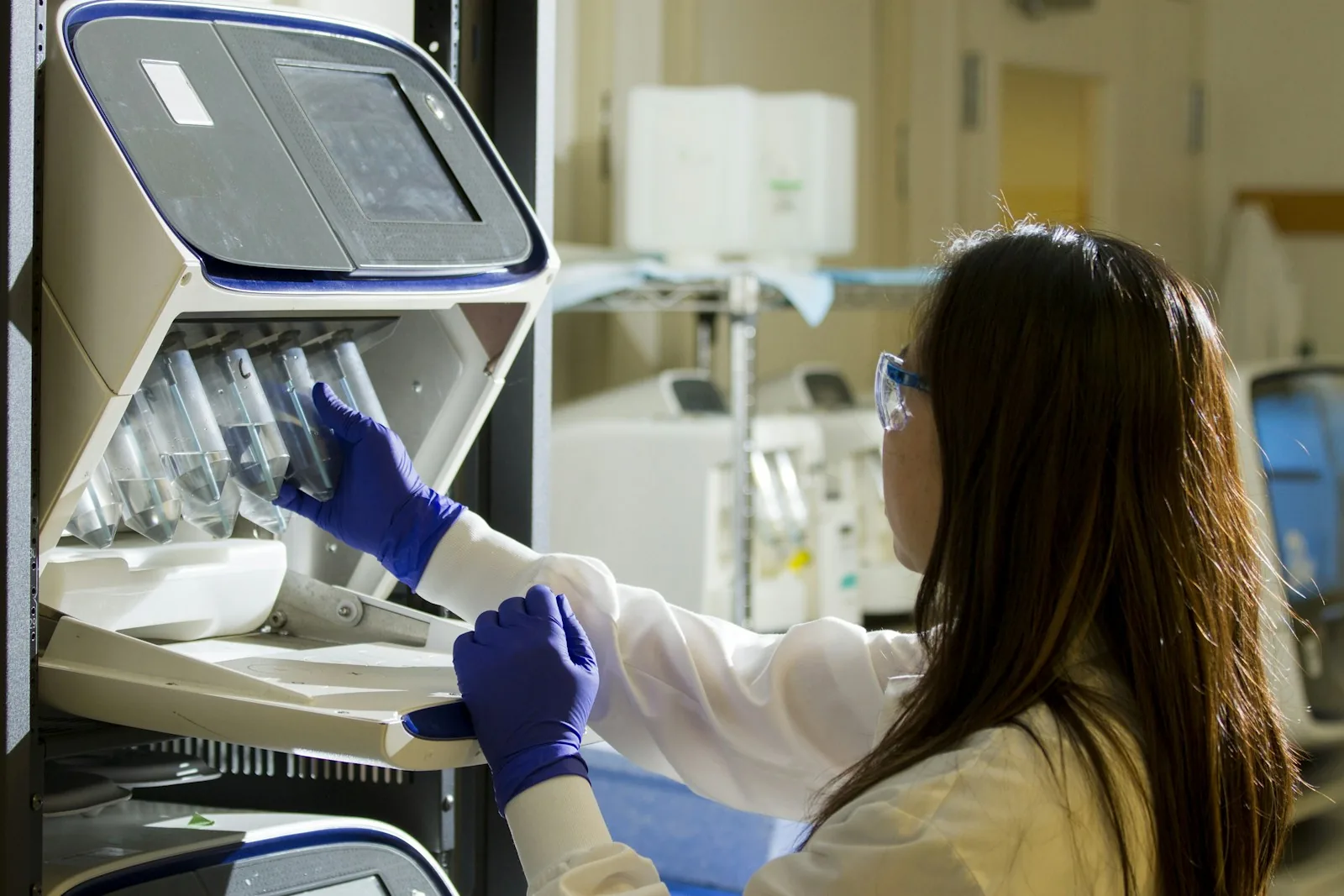
01 · Research landscape
Stem Cell Research and Clinical Trials in Malaysia
Regenerative medicine.
Orthopaedic and cartilage repair.
Neurological disorders.
Cardiovascular disease.
Diabetes research.
Tissue engineering.
In Malaysia, stem cell research is done to enhance the knowledge about stem cells and evaluate novel treatments that can prove beneficial for patients in the future. Before any type of stem cell therapy can become a regular treatment for patients, it has to be done through a systematic research process which includes laboratory testing, pre-clinical tests, and clinical trials under strict monitoring.
The MOH Malaysia makes sure that all the stem cell research that is being performed on human subjects meets national standards ethically, scientifically, and legally. The research has to be conducted responsibly with patient safety as the top priority at all times.
Laboratory and Preclinical Research
Most stem cell research begins in laboratories where scientists investigate:
- Stem cell characteristics and behaviour.
- Cell growth, differentiation, and regeneration.
- Disease mechanisms.
- Tissue engineering techniques.
- Safety and quality of stem cell products.
Clinical Trials
Stem cell clinical trials aim to determine whether such treatment would be safe and effective in treating patients through an experimental process that is well-controlled. For a stem cell clinical trial in Malaysia to take place, it is necessary to:
- Get an approval from the recognized Research Ethics Committee.
- Adhere to the Malaysian GCP guidelines.
- Be registered in the NMRR prior to recruitment of subjects.
- Stick to the research protocol.
Areas of Active Research
Stem cell research continues to explore potential applications across several medical fields, including:
- Blood cancers and hematopoietic stem cell transplantation.
- Regenerative medicine.
- Orthopaedic and cartilage repair.
- Neurological disorders.
- Cardiovascular disease.
- Diabetes research.
- Tissue engineering.
02 · Follow a legitimate trial
How Stem Cell Clinical Trials Are Conducted
Clinical trial stage
Good ethical practice and the well-being of the patients are important components of stem cell research in Malaysia. Given that the majority of stem cell therapies have not yet been…
Clinical trials of stem cells are carried out through an organized scientific procedure that aims to test the safety, efficacy, and appropriateness of a therapy for its use in the clinic. These are done in Malaysia through rigorous regulations in order to protect the subjects of the research and to ensure the validity of the results. For a stem cell therapy to be considered medically acceptable, it has to pass through various stages of clinical tests.
Research Ethics and Patient Safety
Good ethical practice and the well-being of the patients are important components of stem cell research in Malaysia. Given that the majority of stem cell therapies have not yet been established, the research on human subjects needs to be done by abiding strictly by scientific and ethical guidelines.
Study Design and Regulatory Approval
Researchers first develop a detailed clinical trial protocol outlining:
- The objectives of the study.
- Patient eligibility criteria.
- Treatment procedures.
- Safety monitoring plans.
- Outcome measurements.
Participant Recruitment
Only patients who meet the study's eligibility criteria may participate. Researchers explain:
- The purpose of the study.
- Potential benefits and risks.
- Alternative treatment options.
- Participant rights throughout the trial.
Treatment and Monitoring
During the clinical trial, participants receive the investigational treatment according to the approved study protocol. Throughout the study, healthcare professionals closely monitor:
- Patient safety.
- Treatment response.
- Laboratory findings.
- Any adverse events or side effects.
- Overall health and disease progression.
Data Analysis
Once sufficient amounts of data are gathered, scientists analyze the data in order to find out:
- If the therapy is safe.
- If the therapy is clinically effective.
- For which patients this treatment can be most beneficial.
- If further investigations are needed.

Conclusion
Research into stem cells has increased our knowledge about regenerative medicine and opened up avenues for the creation of new treatments for a variety of diseases. In Malaysia, research in the field of stem cells and clinical studies are conducted in a well-rounded regulatory environment set up by the Ministry of Health, which ensures the scientific integrity, ethics, and patient safety. Therapies backed up with solid clinical evidence and regulatory approval should become part of regular medical treatment.
Since research is ongoing, new treatments being discovered and studied mean that there are more stem cell treatments to be explored and researched, thus needing more clinical trials to establish their effectiveness. If you wish to take part in stem cell research, you need to talk to your healthcare provider about participating in a clinical trial.
Research and clinical trial questions
Frequently Asked Questions
The scientific study on stem cells involves examining the nature and behavior of stem cells, as well as the possibilities of using the cells for treatment of diseases and injuries. Stem cell research involves laboratory research, preclinical and clinical trials.
Yes. Stem cell clinical trials that have been approved are carried out in some chosen hospitals, universities and research centers in Malaysia according to ethical standards and guidelines by the Ministry of Health.
No. Hematopoietic stem cell transplantation is a known therapy to treat certain blood disorders. On the other hand, there are other uses of stem cells which are still under investigation.
The execution of any trials involving stem cells should be carried out in line with the regulations laid down by the Ministry of Health, approval from an ethics committee, GCP Malaysia, and registration within NMRR.
Even though there are very tight controls and ethics involved in the clinical trial process, patients still face some form of risk in relation to the treatment being tested.
Not at all. Every clinical trial has eligibility requirements depending on various aspects, including age, disease, medical history, and general wellbeing. The researchers evaluate the participant’s eligibility to be part of the test.
Participants need to ensure that the test has been approved ethically and fulfills the requirements of the Ministry of Health, is being carried out by reputable medical organizations, and is registered in the national clinical trials registry.
Research literacy
Distinguish registered research from unproven treatment.
Ethics approval, trial registration, informed consent, protocol transparency, and safety monitoring matter.
Review legal guidance