Stem cell fundamentals
What Are Stem Cells?
Stem cells are unique cells that are used as biological building blocks in the human body. Unlike other cells that have the single function for which they were designed, stem cells have the…
Explore cell biology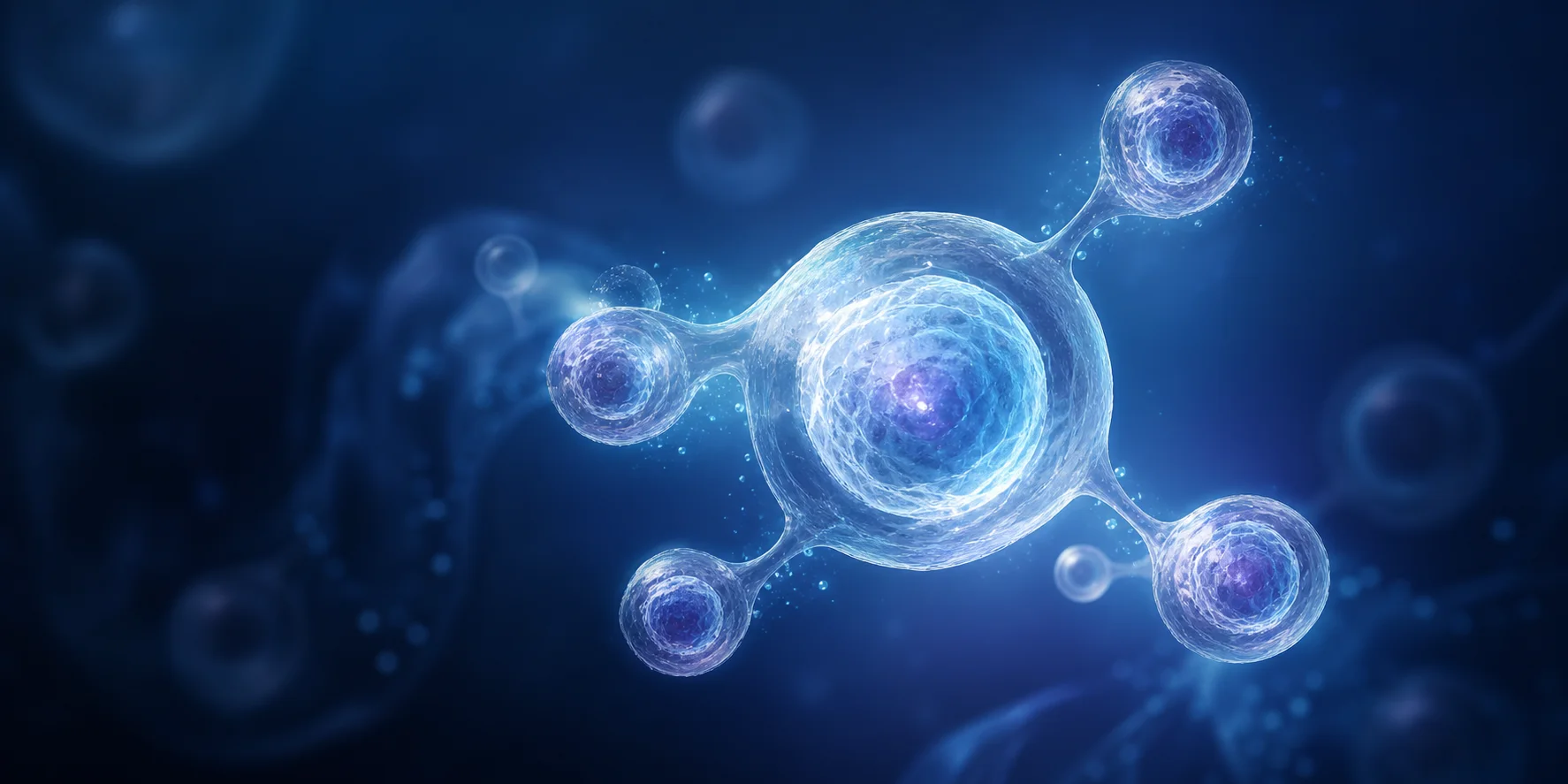
Biological building blocks
Start with what these cells can naturally do.
Stem cells are unique cells that are used as biological building blocks in the human body. Unlike other cells that have the single function for which they were designed, stem cells have the unique capability of being able to turn into various specialized cells as well as generating additional stem cells whenever necessary.
There has been increasing interest in stem cells in Malaysia as advances in regenerative medicine take place and people seek credible information regarding how stem cells operate. Stem cells may be referred to often when talking about medical research and new healthcare advancements, but most people know nothing about their biological role. Learning what stem cells are will be the first step towards comprehending the principles of regenerative medicine and modern medical developments.
Stem cells occur naturally in the human body and play a crucial role starting from early developmental stage and ending with adulthood. Scientists conduct studies on stem cells in order to learn more about their biological role in maintaining good health and making future medical advancements possible.
Defining properties
What Makes Stem Cells Unique?
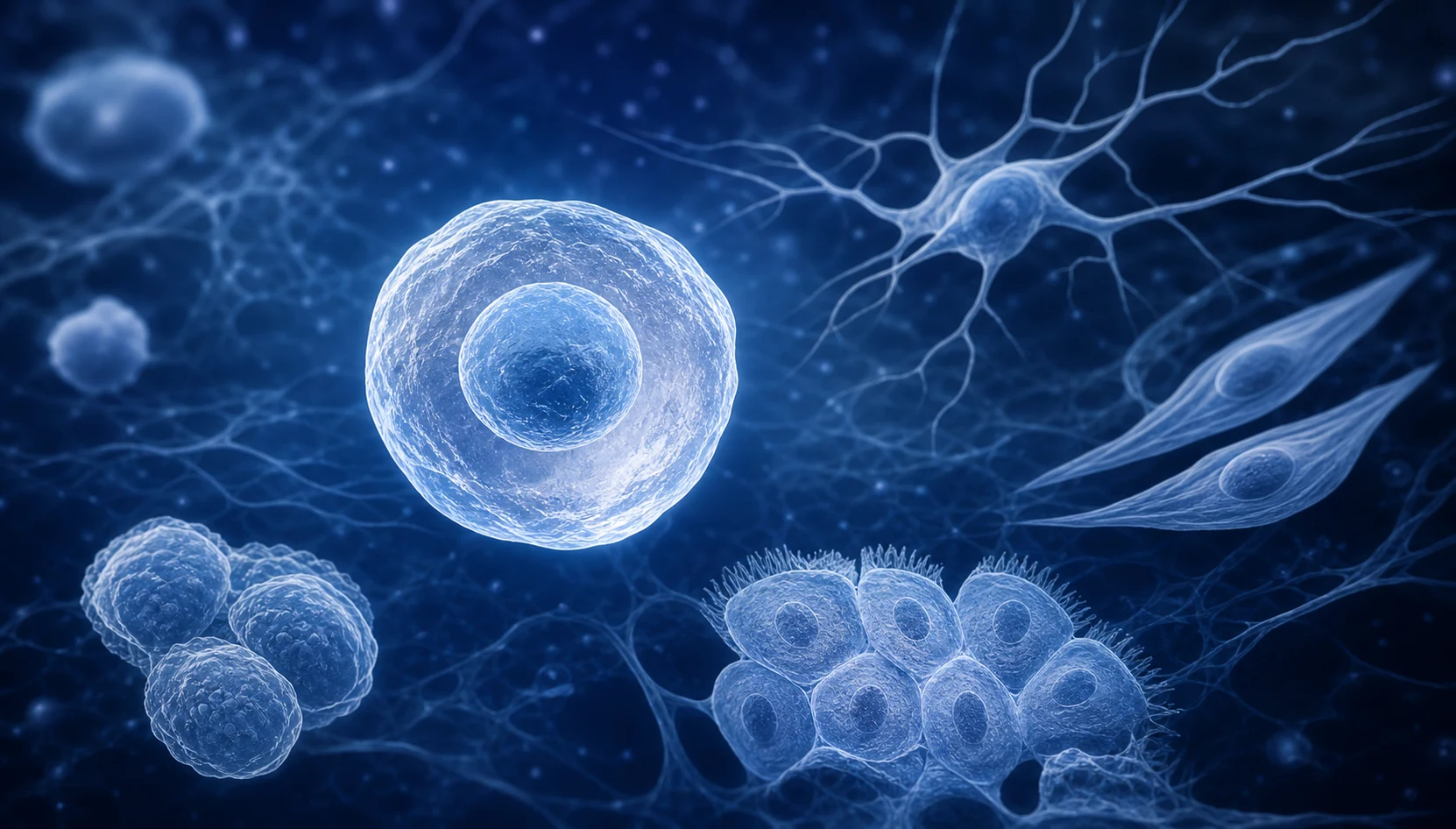
What makes stem cells stand out from all other cells in the human body is that these cells have two distinctive features of a biological nature. To begin with, they can self-renew, thus being able to produce stem cells through cell division. Secondly, they can differentiate, that is transform themselves into specialized cells with particular functions according to the demands of the organism.
It is this uniqueness of stem cells that differs them from mature cells such as skin, muscle, and nerve cells which usually perform just one function for all the time of their existence.
| Self-Renewal | Differentiation |
|---|---|
| In contrast to most differentiated cells, stem cells retain their ability to divide in order to generate new stem cells. This is a natural biological mechanism that allows stem cells to remain part of the body’s stem cell pool and participate in tissue regeneration. | Stem cells also possess the capacity to differentiate into specialized cells. Under certain conditions, depending on the kind of stem cell and biological signals received by them, stem cells can develop into different types of cells needed for normal functioning of tissue. |
Source explorer
Where Do Stem Cells Come From?
Bone Marrow
Bone marrow is perhaps the most well-known source of adult stem cells. It consists of blood-forming stem cells located within some bones, which continuously work in order to…
Stem cells can be found in various regions within the human body at different ages in their natural state. This is largely dependent upon the type of stem cell and their natural role in the body. There are some stem cells that occur at early stages of human development and there are some stem cells that persist within particular tissue for the entire lifetime of an individual to ensure regular functioning of the body.
Common Sources of Stem Cells
Bone Marrow
Bone marrow is perhaps the most well-known source of adult stem cells. It consists of blood-forming stem cells located within some bones, which continuously work in order to generate red blood cells, white blood cells and platelets. Bone marrow has been widely utilized in established medical treatments for several decades already provided that clinical recommendations have been followed.
Adipose (Fat) Tissue
There are also mesenchymal stem cells (MSCs) in adipose tissue, which are still the subject of extensive research in regenerative medicine. Their possible application in tissue repair and immunomodulation in certain medical conditions is being explored.
Umbilical Cord and Cord Blood
Following birth, there are stem cells in umbilical cord tissue and cord blood, which are also being extensively researched for their biological characteristics and potential applications in medicine. If it is agreed by parents, these tissues can be preserved or donated.
Other Body Tissues
Scientists have found stem cells in a number of other body tissues as well, including the skin, muscles, dental pulp and some organs. Every group of stem cells performs specific functions related to the natural environment of the respective tissue.
Role in biology and research
Why Are Stem Cells Important?
Stem cells play a crucial role in the body due to the fact that they assist in growth, development of tissue and replacement of some types of cells which degenerate as the age advances. The specialized cells have contributed to various biological functions of the body from early developmental stages up to adulthood. The capability of producing new cells has made them one of the most critical areas of research in regenerative medicine and biomedical science.
With the ever-growing advancements in the field of science, stem cells are assisting scientists in gaining critical information about the development of the body, healing and diseases. In Malaysia, the rising interests in regenerative medicine have made patients aware of stem cells.
Science summary
Conclusion
Stem cells are unique cells that perform a pivotal role in the growth and tissue repair processes in humans as well as in present-day medical research. The special characteristics of these cells to reproduce themselves and differentiate into specific types make them an essential area of research in regenerative medicine. Although science is constantly expanding its horizons and discovering more applications, the knowledge of stem cells and natural capabilities will assist patients in distinguishing science facts from stem cell myths.
At Stem Cell Malaysia, we are dedicated to giving our clients the opportunity to obtain scientifically-proven stem cell information, thus helping them understand more about regenerative medicine. Regardless of whether you are starting with the basic notions about stem cells or investigating their application in modern medicine, the right information is crucial in making educated choices regarding your healthcare. In case you are interested in stem cell therapy, consult professional health practitioners who will advise you on the best approach to take.
Stem cell fundamentals
Questions patients often ask
Stem cells are special type of cells which have capability to produce stem cells as well as differentiated cells. They are very significant in the process of growth and regeneration.
As opposed to specialized cells that only perform one particular task, stem cells have capability of self renewal and differentiation into various types of cells according to necessity.
There are several locations where stem cells occur naturally, which include bone marrow, fat tissues, umbilical cord tissues, cord blood, skin and other tissues. There are different types of stem cells that have different biological roles.
Yes. Stem cells are naturally present even in the embryonic stage to adulthood and help in the process of growth and regeneration.
No. Although there are several applications of stem cell therapy in clinical medicine, there are others which are still being researched.
Foundational knowledge
Build understanding before evaluating treatment claims.
Stem cell type, source, biological role, and evidence determine what a treatment can realistically do.
Learn about stem cell therapy