Joint and mobility care
Stem Cell Therapy for Knee Pain in Malaysia
Your knees are crucial parts of your body since they enable you to walk and engage in physical activity without limitations. Therefore, any knee problem that causes knee pain might make…
Explore the mobility pathway
Mobility context
A treatment decision starts with an accurate diagnosis.
Your knees are crucial parts of your body since they enable you to walk and engage in physical activity without limitations. Therefore, any knee problem that causes knee pain might make performing normal tasks difficult. People suffering from arthritis or other degenerative knee diseases require a treatment plan that will promote joint health without performing complicated surgical procedures. Since regenerative medicine is gaining more popularity lately, stem cell therapy for knee problems is one of the options some people consider when searching for alternative solutions.
The knee stem cell therapy is based on the utilization of stem cells as the element of regenerative treatment that helps to stimulate the natural healing process of the body. In Malaysia, the stem cell therapy for knees is performed by selected clinics within the scope of relevant medical regulations. Although results of this procedure may vary from individual to individual, the stem cell therapy is now being studied in terms of its possible effectiveness in managing knee arthritis, cartilage injury, and knee pain.
Clinical foundation
What Is Knee Osteoarthritis?
Knee Osteoarthritis is one of the most common joint problems in adults, particularly those who are older in age. The condition results due to the erosion of the cartilage tissue responsible for cushioning the bones of the knee joints. Due to erosion of the cartilage, there is friction between the bones leading to pain, inflammation, and immobility.
Despite age being the main reason, knee osteoarthritis can result due to old injuries to the joints, repetitive stress to the knee joints, obesity, genetics, or any other diseases. Symptoms may vary from one person to the other based on the extent of wear of the joints.
Common Symptoms of Knee Osteoarthritis
- Persistent or recurring knee pain
- Joint stiffness, especially in the morning or after resting
- Swelling or inflammation around the knee
- Reduced range of motion
- Difficulty walking, climbing stairs, or standing for long periods
- A grinding or clicking sensation during movement
- Joint instability or weakness
With disease progression, conservative treatment methods like physiotherapy, changes in lifestyles, use of medicines, or even injections can help in alleviating symptoms in some individuals. If the symptoms persist even after trying out all these treatments, then further treatment methods will be suggested, including regenerative medicine methods such as knee stem cell treatment.
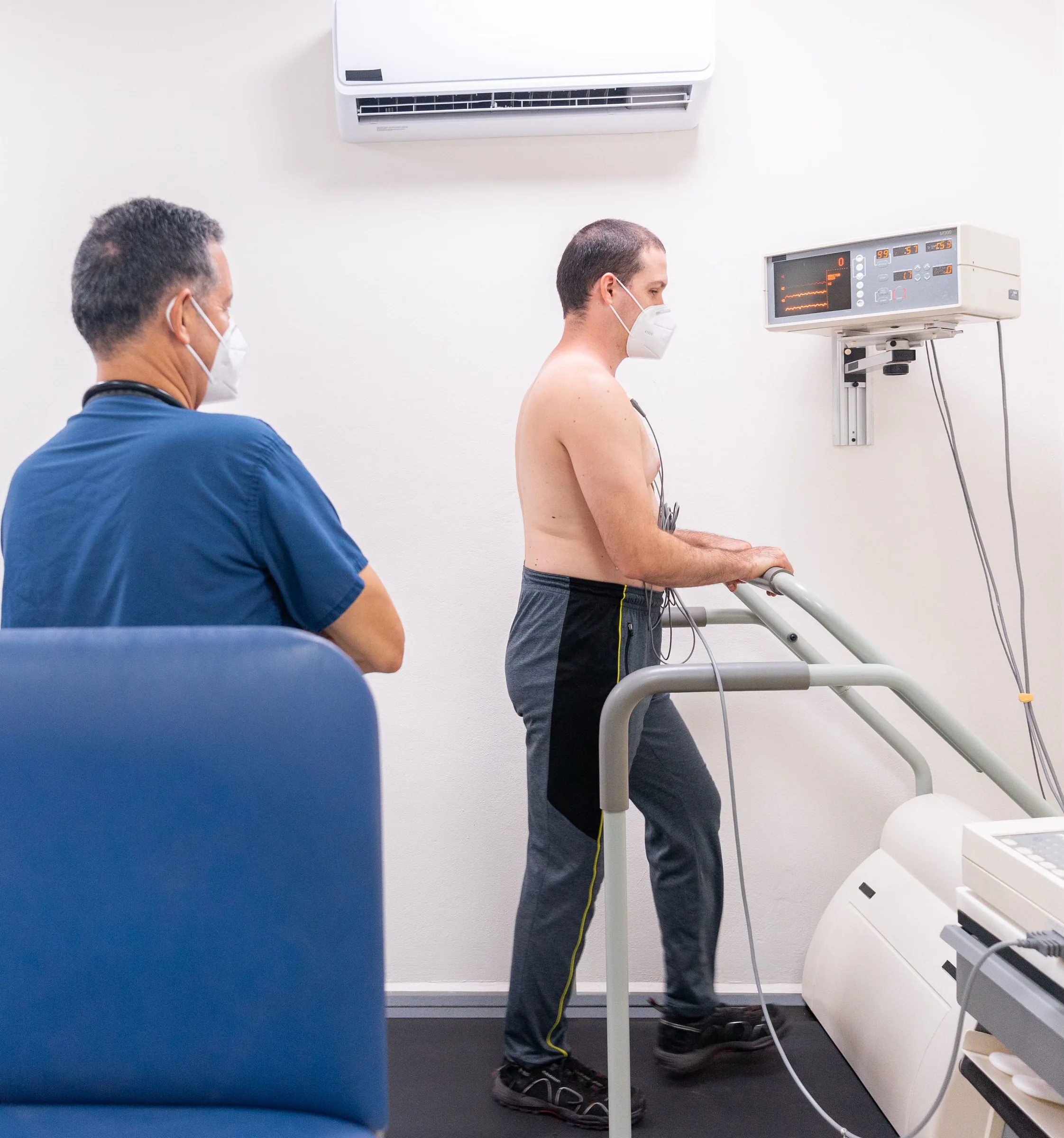
How the pathway is assessed
How Stem Cell Therapy May Help Knee Osteoarthritis
A stem cell therapy is a form of regenerative medicine whose objective is to facilitate natural recovery of the body. For patients with osteoarthritis of the knee joint, stem cell therapy is one of the methods under evaluation to provide assistance to the body for dealing with this condition in selected cases. It is important to mention that people have different responses to treatment and it does not work for all of them.
The method involves the introduction of stem cells to the knee joint after careful examination of the patient's health. At the moment, researchers are trying to evaluate the effect of the use of such cells on tissue regeneration, inflammation reduction and stimulation of natural restoration of the body.
| Potential Benefits of Knee Stem Cell Therapy |
|---|
| Facilitate natural healing and regeneration of the body Decrease joint pain in certain individuals Increase flexibility of the knees and joints Manage inflammation related to knee arthritis Prolong the necessity of undergoing more invasive procedures Improve quality of life when used in combination with rehabilitation and lifestyle changes |
Suitability and evidence
Conditions That May Be Evaluated for Knee Stem Cell Therapy
The use of stem cells in the treatment of knee problems can be recommended only to people suffering from particular knee disorders following a thorough medical review. The decision to use regenerative treatment will depend on a number of issues such as the nature of the problem, its intensity, and other personal factors.
Knee Osteoarthritis
One of the reasons why many people seek stem cell treatment for osteoarthritis of the knee joint is joint pain, stiffness and limited range of movement due to cartilage degeneration. In some cases, stem cell therapy may be explored as a possible regenerative treatment in view of personalized treatment approach based on osteoarthritis severity.
Cartilage Damage
Due to injuries or progressive damage, cartilage in the knee joint may be damaged. Regenerative therapy using stem cells may be examined as one of the possible approaches for treating the cartilage defects.
Meniscus Injuries
The mPeople with initial symptoms of joint deterioration can undergo stem cell treatment before any further structural damage sets in. This will always depend on clinical evaluation and imaging studies.meniscus serves as a shock absorber in the knee joint. The meniscus injury of certain chronic or degenerative nature may be evaluated to see if stem cell therapy will be suitable for the patient along with the other treatment methods.
Chronic Knee Pain
People with constant knee pain who have not had success with conservative treatment, including medication, physiotherapy and lifestyle changes may be recommended regenerative treatment after examination.
Early Degenerative Joint Changes
People with initial symptoms of joint deterioration can undergo stem cell treatment before any further structural damage sets in. This will always depend on clinical evaluation and imaging studies.
Interactive mobility pathway
Guided movement
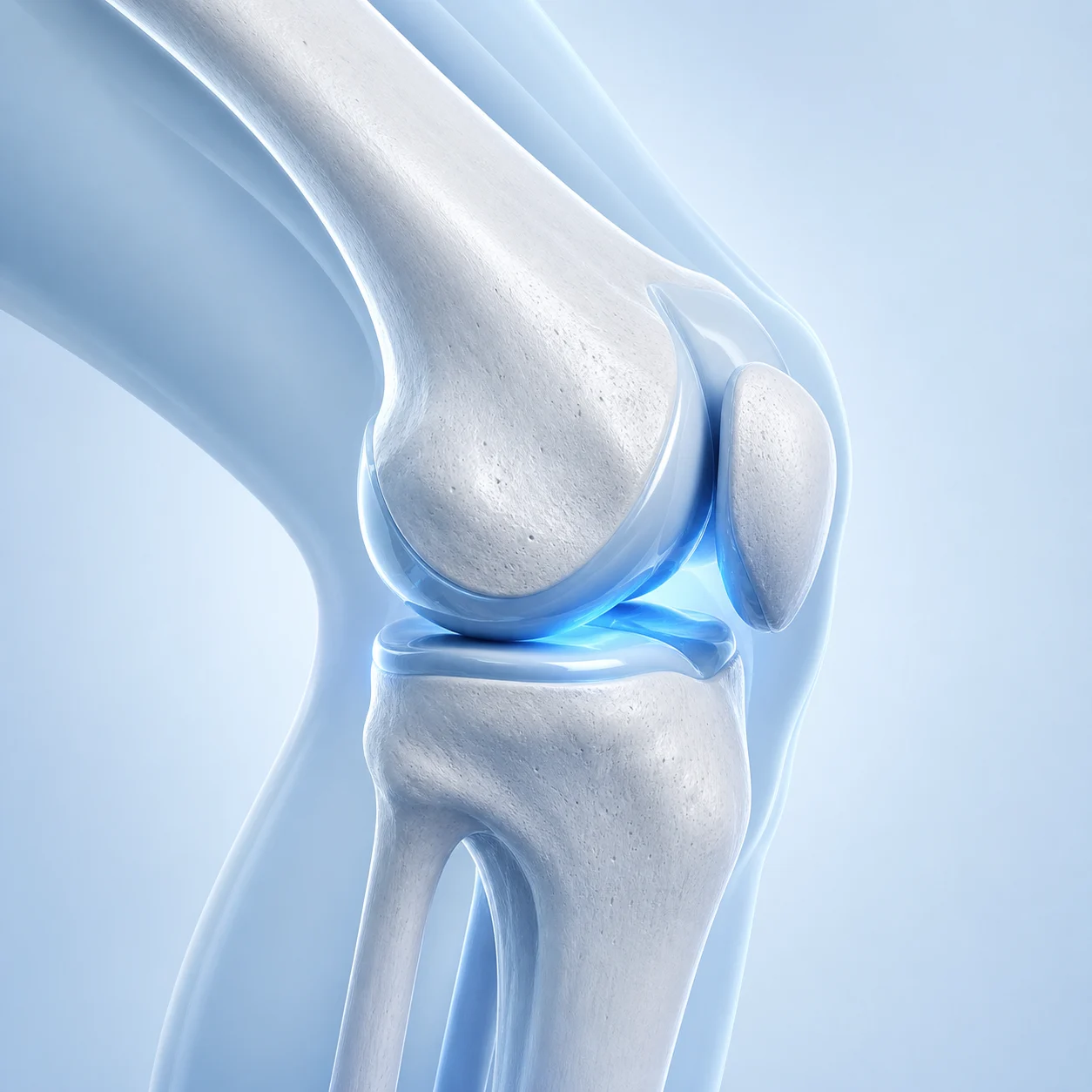
Patient selection
Who May Be a Suitable Candidate for Knee Stem Cell Therapy?
Not all people who suffer from knee problems or osteoarthritis can be considered good candidates for stem cell treatment. This is based on many factors such as the reason behind having the problem, the level of joint deterioration, the state of health of the person and treatment objectives among others. It requires a full medical assessment.
- Suffer from knee osteoarthritis that is mild or moderate
- Are suffering from pain in the knees despite conservative methods of treatment
- Have damaged cartilages or degenerative knees
- Are looking for minimally invasive treatment solutions rather than surgery
When Stem Cell Therapy May Not Be Suitable
- Suffer from knee osteoarthritis that is mild or moderate
- Are suffering from pain in the knees despite conservative methods of treatment
- Have damaged cartilages or degenerative knees
- Are looking for minimally invasive treatment solutions rather than surgery
| Potential Benefits of Knee Stem Cell Therapy |
|---|
| Aids the body’s natural healing processes by providing an environment conducive to regeneration inside the knee joint. Possesses potential to help alleviate knee pain related to osteoarthritis and some degenerative diseases. Helps increase mobility and flexibility of the joint, making day-to-day activities easier. Treats the affected joint only, hence making the therapy concentrate on the affected area alone. Minimal invasive technique, which involves mainly injections and not surgery. Possesses the potential to help defer other invasive surgeries for some patients. |


Recovery planning
Recovery After Knee Stem Cell Therapy
The recovery period following knee stem cell treatment differs according to individual characteristics, including their pre-existing medical condition, level of joint degeneration, general state of health, and the patient’s adherence to recovery guidelines. Even as some patients may be able to go back home the same day, recovery will take place gradually over a period of days or even months.
- Allow the knee to rest after treatment during the recovery phase.
- Comply with all the instructions given by your doctor after surgery.
- Make sure you attend follow-up appointments.
- Join physiotherapy sessions if suggested.
- Do not indulge in any activity that is physically demanding until clearance from the physician.
- Maintain your ideal body weight to avoid stress on the knee joint.
Possible Side Effects
- Temporary pain or discomfort at the treatment site
- Mild swelling or inflammation following the procedure
- Bruising around the injection area
- Infection, although this is uncommon when proper medical protocols are followed
- Bleeding or irritation at the injection site
Why Choose Malaysia for Knee Stem Cell Therapy?
The country has established itself as an important hub for people interested in medical treatments such as regenerative medicine due to the presence of state-of-the-art facilities, skilled medical practitioners, and world-class hospitals that offer a variety of treatment options for knee stem cell therapy patients.
Reasons Patients Consider Malaysia
- Professional doctors with vast knowledge of orthopaedics, sports medicine, and regenerative medicine.
- Advanced healthcare facilities with state-of-the-art technology.
- Evaluation of patients to ascertain if they are suitable candidates for stem cell treatment.
- Custom-made treatment plan taking into consideration the health and lifestyle of the patient.
- Rehabilitation programmes such as physiotherapy.
- Healthcare expenses are affordable compared to other overseas treatment destinations.
- Facility of international healthcare that can arrange appointments and healthcare travel for foreign patients.
Knee therapy questions
Frequently Asked Questions
There have been trials to investigate stem cell treatment as a regenerative method for osteoarthritis of the knee joint. Some people will see improvements in pain levels, joint movement, and overall functionality while others might have a different result. This method's success will depend on factors like severity of osteoarthritis, overall health condition, and personalized treatment plan which you get from your healthcare provider.
It would be best if the most suitable patients were those suffering from osteoarthritis, cartilage damage or knee pain but did not get any relief from conservative therapy. It will need medical examination to determine whether the patient is the right one for the procedure or not.
No, the stem cell treatment doesn't mean that no surgeries will be performed. People suffering from serious joint degeneration or injuries that are not suitable for treatment using stem cells will need to undergo surgical treatment. You'll be offered the best treatment option for your problem.
This treatment takes several hours to perform, but it all depends on the treatment protocol and individual patient.
Recovery differs from individual to individual. Recovery and rehabilitation for most patients takes a relatively short period of time; however, complete recovery can sometimes take a few weeks or even months, depending on the type of medical condition and doctor’s instructions.
It is also possible that the patient may experience mild pain, swelling, redness, or irritation at the area of injection. The health care professional will inform the patient about all possible risks beforehand.
Knee treatment guidance
Make mobility decisions with clinical context.
Review diagnosis, imaging, evidence, rehabilitation, and realistic outcomes with a qualified practitioner.
Verify a clinic