Treatment fundamentals
What Is Stem Cell Therapy?
Stem cell therapy is part of regenerative medicine that deals with the use of stem cells to enhance the biological function of the body. Contrary to other forms of medication that are…
Trace how therapy works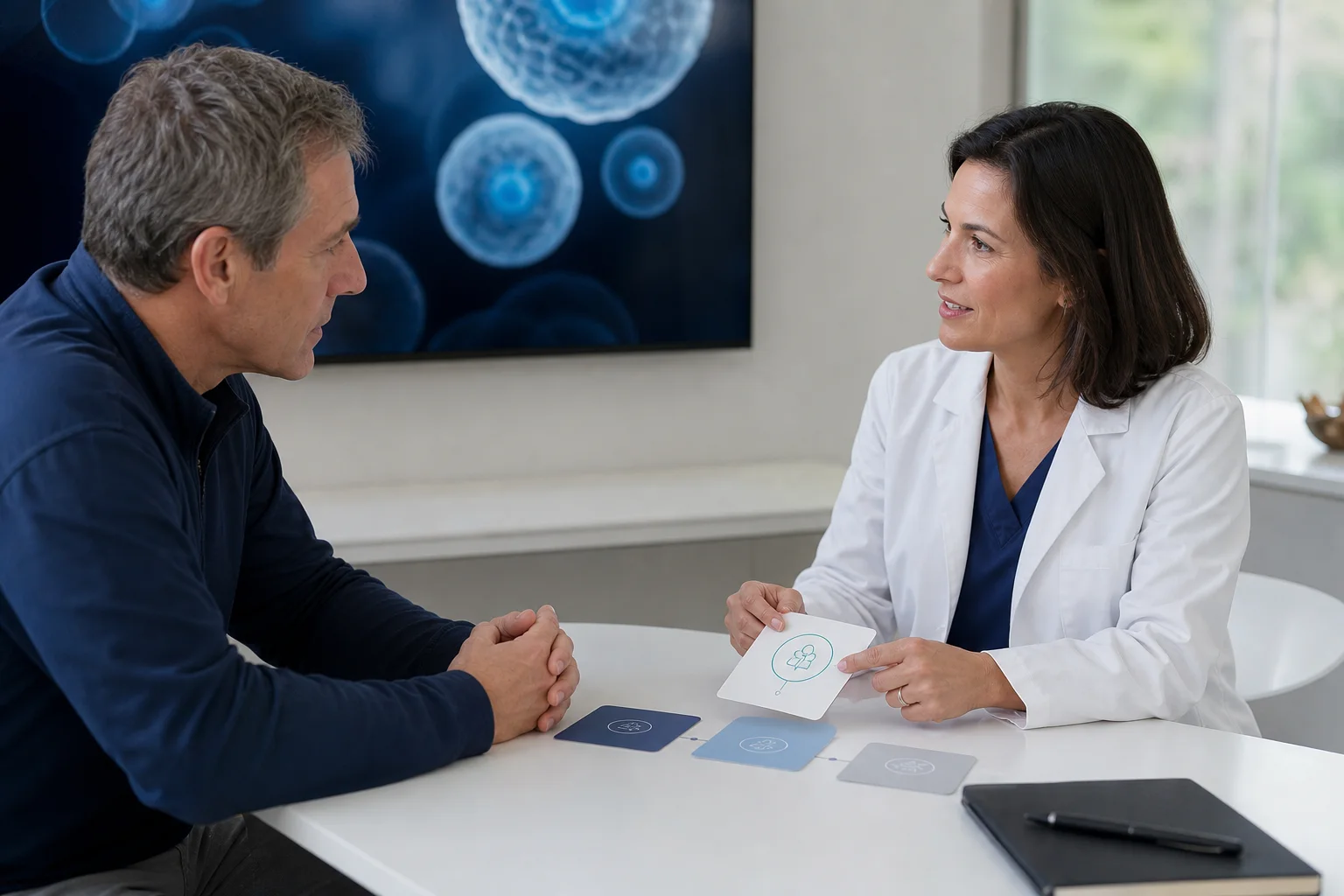
Clinical definition
Therapy is a clinical context, not one universal technique.
Stem cell therapy is part of regenerative medicine that deals with the use of stem cells to enhance the biological function of the body. Contrary to other forms of medication that are symptom oriented, regenerative medicine attempts to find solutions through which stem cells can interact with the body’s self-healing process to restore tissue functionality. With the growing scientific knowledge, stem cell therapy has emerged as the most researched field in contemporary medicine.
In Malaysia, the level of interest in stem cell therapy has been rising due to increasing interest in regenerative medicine and clinical research activities. People have been looking for reliable facts concerning stem cell therapy including the definition of stem cell therapy, its mechanism and its role in evidence based medical practice. Although there are some uses of stem cells in contemporary clinical medicine, there are other uses that have not yet been established scientifically.
It is necessary to point out that stem cell therapy can hardly be regarded as a universal technique for curing all kinds of diseases. The choice of the stem cells, their utilization and treatment technique would depend on the particular case, research and clinical practice. In other words, all decisions concerning treatment have to be made only after the medical checkup.
Regenerative principles
How Does Stem Cell Therapy Work?
The principles behind stem cell therapy involve the biological characteristics of stem cells themselves as well as their contribution to the process of natural regeneration carried out by the human body. As opposed to symptom-based therapy, regenerative medicine studies the potential of stem cell interaction with damaged or sick tissues within strictly defined clinical conditions. This biological reaction can vary depending on stem cell types, medical disorders and general health status of a person.
According to scientists, stem cells can take part in tissue regeneration using certain biological reactions which occur naturally. In accordance with the particular stem cell types used, these cells can mature into specialized cells, produce signal substances to help other tissues regenerate, or affect natural body recovery and immunity processes.
The Basic Principles of Stem Cell Therapy
- Cell Regeneration – There are some stem cells which have the capacity to turn into specialized cells involved in tissue maintenance.
- Cell Communication – There are stem cells that secrete natural signals that enable the neighboring cells to talk to each other about physiological changes.
- Tissue Repair Assistance – Scientists keep searching for the role that stem cells could play in helping the normal repair process of the body in specific tissues.
- Immune Response – Some types of stem cells, especially mesenchymal stem cells (MSCs), are currently being researched for their impact on immune response in some diseases.
- Paracrine Actions – It is believed that most of the promising functions of stem cells under study happen due to the action of the substances secreted by stem cells rather than replacement of damaged tissue.
Biological principles under study
Select a stage to trace the pathway
Care model comparison
How Is Stem Cell Therapy Different from Traditional Treatments?
Stem cell therapy is different from most conventional methods of treatment since it is centered on regenerative medicine as opposed to just treating symptoms. The conventional method of treatment is mostly concerned with either slowing down the progress of the disease, alleviating pain, hormone and nutrient replacement, or surgical excision of damaged tissues. Regenerative medicine, on the other hand, is being studied for the possible benefits that can be gained from supporting the natural biological healing process in particular diseases.
It is important to note that the two treatments are not necessarily mutually exclusive, as they are considered together depending on the condition of the patient and the scientific evidence in modern day medicine. Conventional medicine is usually the norm while regenerative medicine is an addition in particular cases.
| Stem Cell Therapy | Traditional Treatments |
|---|---|
| Based on regenerative medicine principles. | Primarily focuses on symptom control or disease management. |
| Investigates the body's natural repair and regenerative processes. | May use medications, surgery, rehabilitation, or other established interventions. |
| Treatment approaches are tailored according to the condition and current clinical evidence. | Treatment plans follow recognised medical guidelines for specific diseases. |
| Many applications continue to be evaluated through ongoing clinical research. | Most conventional treatments have long-established evidence and routine clinical use. |
Treatment summary
Conclusion
One of the most promising fields in regenerative medicine is stem cell therapy. It involves both developments in the sphere of cell biology and ongoing medical studies that will allow for better understanding of the process of natural healing and maintenance of tissues in humans. Despite the fact that some stem cell therapies have become a part of the standard treatment practice, there are still other applications of these methods that need to be tested during thorough scientific experiments.
Stem Cell Malaysia offers accurate and evidence-based information about the nature of stem cell therapy and its place in modern medicine. In case you decide to get regenerative medicine treatment, your very first step should be a consultation with experienced doctors who will suggest treatment that suits your case according to scientific facts.
Therapy questions
Frequently Asked Questions
Stem cell therapy is a form of regenerative medicine that applies the use of stem cells for the support of the biological functioning of the body. Stem cell therapy is already used in several existing medical procedures while it is still being researched in many other disorders.
The principles of stem cell therapy rely on specific features of stem cells which include self-renewal, specialization of stem cells, release of biological signals and interactions with neighboring tissues. The biological effects of stem cells continue to be studied by researchers in various medical disorders.
No. Conventional medical treatments usually aim at controlling the symptoms and the development of the disorder while stem cell therapy relies on the principles of regenerative medicine. In most cases, regenerative medicine is applied in addition to conventional medicine.
No. The treatment applicability always depends on the person's medical condition, general state of health, his medical history and current research evidence.
Even at this time, stem cell therapy is being researched by scientists for its applications in relation to orthopedics, neurological diseases, autoimmune diseases, heart diseases, diabetes, and tissue regeneration. However, some of its applications have not been tested clinically yet.
Yes. The selected stem cell therapies are available in Malaysia via licensed healthcare practitioners, and many other applications of regenerative medicine are still being investigated in accordance with clinical guidelines and standards.
The most reliable sources of information are licensed healthcare professionals, renowned hospitals, as well as respected educational materials. In case you are considering stem cell treatment, then you should consult with a healthcare professional on the matter.
Therapy guidance
Understand mechanism, evidence, and clinical context.
Stem cell therapy is not one universal treatment; cell type, protocol, diagnosis, and oversight matter.
Explore treatment options