Treatments & Conditions
Stem Cell Therapy vs Joint Replacement Surgery: Comparing Your Options
Weighing stem cell therapy against joint replacement surgery? Compare invasiveness, recovery, and candidacy to discuss with your doctor.
Stem Cell Malaysia· 7 min read
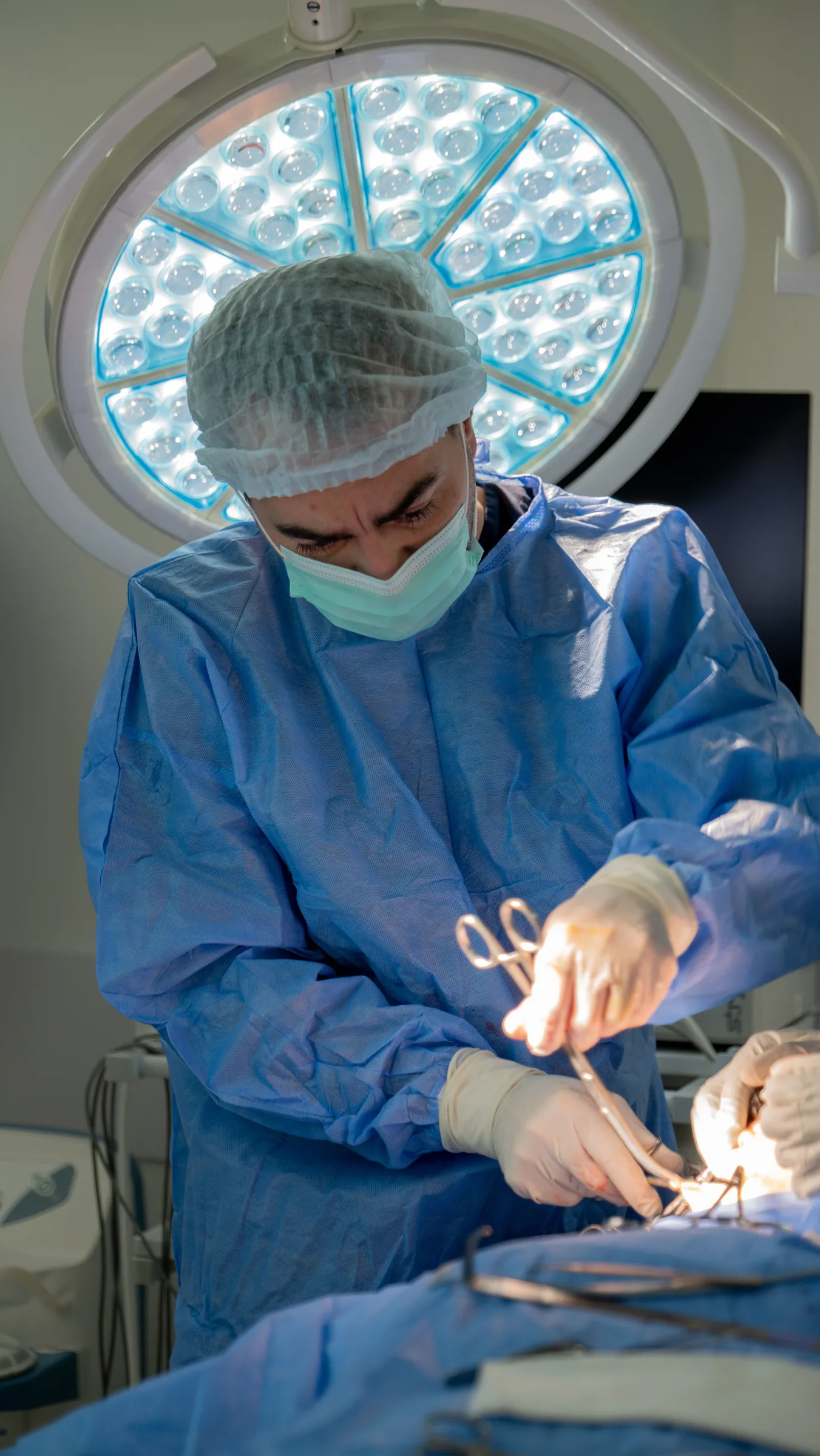
In the case of people who suffer from joint pain, specifically knee osteoarthritis, the discussion sooner or later comes to an important choice: go for a more conservative regenerative solution, or look at surgical joint replacement? No method is inherently superior; it all depends on your specific circumstances and individual preferences. This article presents a comparison of the two without trying to persuade you in either direction.
The Core Difference in Approach
Stem cell therapy is a minimally invasive procedure that introduces cells into the joint area, aiming to support the body's own repair processes and potentially reduce inflammation. It doesn't replace joint structures, it works with your existing joint.
Joint replacement surgery is a major surgical procedure where damaged joint surfaces are removed and replaced with artificial components. It directly addresses structural damage that's typically too advanced for non-surgical options to meaningfully improve.

| Factor | Stem Cell Therapy | Joint Replacement Surgery |
|---|---|---|
| Invasiveness | Minimally invasive, injection-based | Major surgery, requires anaesthesia |
| Hospital stay | Typically none or minimal | Usually requires several days of hospitalisation |
| Recovery time | Generally shorter | Significantly longer, often months for full recovery |
| Structural change | No structural replacement | Damaged joint surfaces replaced with artificial components |
| Best suited for | Earlier to moderate stage joint conditions | Advanced joint degeneration where conservative options are no longer effective |
| Reversibility | Generally reversible in the sense that no permanent structural change is made | Permanent structural change |
When Stem Cell Therapy Might Be Considered
Stem cell therapy for joint conditions is typically discussed for patients whose joint damage hasn't progressed to the point where surgery is the only meaningful option. Our knee osteoarthritis page covers this in more detail specifically for knee conditions.
Patients for whom this conversation often comes up:
- Earlier to moderate stage osteoarthritis, where some joint structure remains intact
- Patients wanting to explore less invasive options before considering surgery
- Patients who may not be ideal surgical candidates due to other health factors
- Those hoping to delay the need for joint replacement, though this isn't guaranteed for every patient
When Joint Replacement Surgery Is Typically the More Appropriate Path
Surgery becomes the more realistic option when joint damage has progressed significantly, and the structural integrity of the joint is compromised enough that regenerative approaches are unlikely to provide meaningful benefit.
Situations where surgery is often the recommended path:
- Advanced, severe osteoarthritis with significant joint space loss visible on imaging
- Persistent pain and functional limitation despite trying conservative treatments
- Joint deformity or instability affecting daily function significantly
- Cases where a doctor's assessment indicates regenerative options are unlikely to provide adequate improvement given the degree of damage
Comparing Recovery Timelines
| Recovery Aspect | Stem Cell Therapy | Joint Replacement Surgery |
|---|---|---|
| Time before returning to light daily activities | Often within days | Weeks, with continued restrictions |
| Physical therapy requirement | May be recommended, generally less intensive | Typically extensive, structured physical therapy over months |
| Full recovery timeline | Varies, generally shorter | Often 3-6 months or longer for full functional recovery |
| Downtime from work | Often minimal | Can require weeks away from work, depending on job demands |
Comparing Risk Profiles
Both options carry risks, though they differ significantly in nature and scale.
The dangers associated with stem cell treatment involve the risks inherent in the injection process (risk of infection from injection, for instance) and the element of unpredictability in individual cases, because each patient can respond differently.
Risks associated with joint replacement include all risks involved with major surgery risk from anesthesia, risk of infection, risk of blood clotting, and the issue of wear-and-tear on implants that may eventually necessitate further surgery.
Neither is intrinsically worse, but the fact is that the risks are fundamentally different, which is precisely why the decision requires a medical evaluation.
Cost Considerations
Cost comparisons between these two options are genuinely complex, since they involve different components: consultation and treatment costs for stem cell therapy versus surgical fees, hospitalisation, and rehabilitation costs for joint replacement. Our factors affecting cost guide provides context specific to stem cell treatment pricing in Malaysia, though a direct comparison should be discussed with your doctor based on your specific treatment plan for either path.
Can Stem Cell Therapy Delay the Need for Surgery?
It’s a frequently asked question, and the straightforward answer is that it really does depend on the particular case. For certain people who suffer from more early-stage joint problems, regenerative methods could be used to treat their symptoms and possibly prevent further progression, which would ultimately result in requiring surgery. Not everyone is going to fall into this category, nor can we say that stem cell treatment is always an alternative to surgery regardless of the stage of joint disease; this is something to discuss with your doctor directly.
Questions Worth Asking Your Doctor About This Decision
- "Based on my imaging and assessment, how advanced is my joint damage?"
- "Am I a reasonable candidate for stem cell therapy, or has my condition progressed beyond where this would likely help?"
- "If I try stem cell therapy first, does that affect my candidacy for joint replacement later if needed?"
- "What's a realistic timeline for reassessing whether stem cell therapy is working for me?"
- "Given my overall health, are there specific surgical risks I should be particularly aware of?"
This Isn't Necessarily an Either/Or Decision
Some patients need to make this decision in stages, depending on what they feel comfortable with. While some can start off by trying out the regenerative procedure and then reassess, others due to the gravity of their condition would find themselves in a place where they have to directly discuss surgery. Regardless of the option you choose, this should always be a collaborative decision between you and your physician, dependent on your unique imaging and symptoms.
Frequently Asked Questions
1. Does stem cell therapy eliminate the necessity of joint replacement surgery entirely?
No, there can be cases where stem cell therapy is effective and eliminates the necessity of surgery, but there are situations when the problem has gone too far, and joint replacement surgery is required.
2. Is stem cell therapy safer than joint replacement surgery?
Yes and no, both types of treatment have their risks. However, while one includes injections, the other involves major surgery with inherent risks.
3. How do I know if I'm a suitable candidate for stem cell therapy rather than for surgery?
It is only possible to find out after the medical evaluation, which will show the level of your condition.
4. Is the recovery faster with stem cell therapy?
Yes, usually it is because it does not involve major surgery.
5. Can I try stem cell therapy and still have joint replacement surgery later if needed?
This is a question worth discussing directly with your doctor, since individual circumstances vary, but trying a less invasive option first doesn't necessarily rule out surgery later.
6. Is joint replacement surgery always necessary for severe osteoarthritis?
It's typically the recommended path when joint damage is advanced and conservative or regenerative options are unlikely to provide meaningful improvement, based on individual assessment.
7. Which option is more cost-effective?
This depends on multiple factors and isn't straightforward to compare directly, since the two involve very different cost structures. Discuss specifics with your doctor for your situation.
8. Should I get a second opinion before deciding between these options?
Yes, given how significant this decision is, seeking a second opinion is a reasonable and often recommended step before committing to either path.
Discuss Your Options With a Qualified Doctor
This is a significant decision that deserves a thorough, personalised assessment. Request a consultation to discuss whether stem cell therapy is appropriate for your specific condition.