Research & Trials
Stem Cell Therapy for COPD and Long COVID Lung Damage Research Status
Stem Cell Malaysia· 7 min read
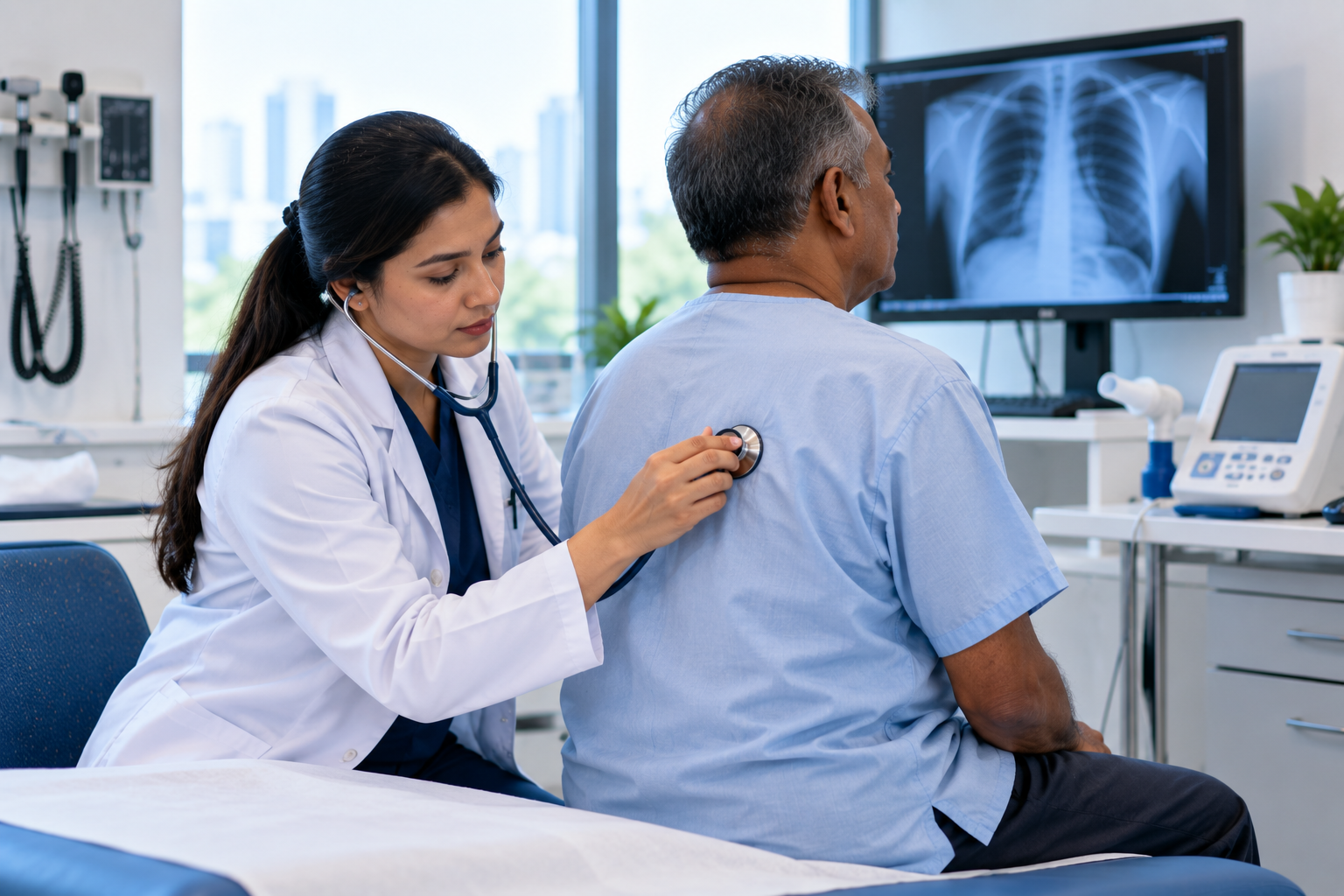
Chronic obstructive pulmonary disease (COPD) is one of the leading causes of disability and death worldwide, and it remains significantly undertreated in terms of disease modification. Existing medications can reduce symptoms and slow decline but cannot repair the structural lung damage that defines the condition. Post-pandemic, a second group of patients has emerged: those with long COVID, some of whom experience persistent lung dysfunction months after their initial infection. Researchers are investigating whether mesenchymal stem cells could offer a new approach to both conditions. The evidence is still early, but the scientific rationale is substantive enough to have motivated multiple clinical trials.
Reviewed by: Medical Team, Advance Stem Cell | Reviewed: September 2026
COPD: Scope and Relevance in Malaysia
COPD is characterised by persistent airflow limitation caused by damage to the airways and lung parenchyma, typically from long-term exposure to inhaled irritants. Cigarette smoking is the dominant risk factor globally and in Malaysia, where male smoking rates remain among the higher in the Asia-Pacific region. Biomass fuel exposure, occupational dust, and air pollution also contribute, particularly in rural populations.
The disease causes progressive breathlessness, reduced exercise tolerance, and a pattern of acute exacerbations that accelerate functional decline. Patients move through stages from mild to very severe, and in advanced stages many require supplemental oxygen and are largely homebound. Current treatments including bronchodilators, inhaled corticosteroids, and pulmonary rehabilitation slow the disease course but do not reverse the emphysema and airway remodelling already present.
This irreversibility is what motivates the search for regenerative approaches. If stem cells can reduce ongoing inflammation and attenuate structural changes in the lung, even modest improvements in functional trajectory could translate into meaningful quality of life gains for patients.
Long COVID Lung Damage: An Emerging Clinical Problem
Since the SARS-CoV-2 pandemic, a subset of patients who survived acute COVID-19, ranging from those with mild initial illness to those who required intensive care, have experienced persistent symptoms extending beyond three months after infection. Pulmonary symptoms are among the most commonly reported: breathlessness on exertion, reduced exercise capacity, and in some cases evidence of residual fibrotic changes on CT scan.
The mechanisms behind long COVID lung involvement are not fully understood. Proposed contributors include persistent low-grade viral antigen activity, immune dysregulation, microthrombus formation in the pulmonary vasculature, and direct tissue damage from the acute inflammatory response. In Malaysia, as in other countries, post-COVID care clinics have emerged to manage these patients, but treatment options remain limited and largely supportive.
MSCs have attracted interest as a potential therapeutic tool in this context because of their anti-inflammatory and anti-fibrotic properties, both of which are mechanistically relevant to the hypothesised drivers of long COVID lung involvement.
What the COPD Trial Data Shows
Multiple Phase 1 and Phase 2 trials have evaluated the safety and preliminary efficacy of MSC therapy in COPD patients. The consistent finding across these trials is that IV-administered MSCs are well tolerated in COPD patients, with no serious adverse events attributable to the cells themselves observed at the doses studied.
The PROCHYMAL trial, one of the earlier landmark studies, established that allogeneic bone marrow-derived MSCs could be administered safely in COPD patients. Subsequent trials have examined whether repeated infusions yield functional improvements. Results have been mixed: some patients show modest improvements in six-minute walk distance or quality of life scores, while spirometric measurements such as FEV1 have not demonstrated consistent improvement across trials.
A 2019 Phase 2 randomised controlled trial published in the European Respiratory Journal found that MSC therapy was safe but did not demonstrate statistically significant improvement in primary endpoints compared to placebo, though a subgroup with elevated systemic inflammation showed a trend toward benefit. This finding has encouraged ongoing research into patient selection, specifically identifying which COPD patients are most likely to respond based on inflammatory phenotype.
No MSC-based therapy for COPD has received regulatory approval as a standard treatment. The evidence base remains at Phase 1-2 level.
Long COVID: Very Early Stage Evidence
Clinical trial data specific to stem cell therapy for long COVID lung involvement is limited and preliminary. Several early-phase trials launched during or shortly after the pandemic have been registered, and some interim reports have emerged suggesting that MSC infusion in post-COVID patients with respiratory impairment was safe and associated with subjective symptom improvement in small numbers of patients.
However, completed, peer-reviewed, randomised trials specifically examining long COVID lung outcomes with adequate follow-up are not yet available in sufficient number to draw firm conclusions. The mechanistic rationale for MSC use in this context is reasonable, but the clinical evidence must be described honestly as preliminary.
Patients seeking experimental treatment for long COVID lung symptoms should understand that they are entering a field where the evidence base is still being constructed. Any clinic offering therapy for this indication should be transparent about the trial status, the specific protocol, and the monitoring plan.
What Patients Should Know Before Pursuing Experimental Lung Therapy
Patients with COPD or post-COVID lung involvement who are considering stem cell therapy should first discuss the option with a pulmonologist who is familiar with their case. Existing treatments must not be discontinued. Patients on bronchodilators, inhaled corticosteroids, long-acting beta-agonists, or supplemental oxygen should continue these under medical supervision regardless of whether they are pursuing any experimental therapy.
Key questions to raise with a pulmonologist and any clinic being considered include: What specific protocol is being offered and what published evidence supports it? What outcomes will be measured and over what timeframe? How does this option interact with my existing treatment plan? Is there an active clinical trial I could join that would provide more structured access to this therapy?
Reviewing the available treatments and conditions alongside specialist respiratory input helps patients approach this decision with the full picture. Stem cell therapy Malaysia clinics should provide clear written information on protocols and monitoring before any commitment is made.
Frequently Asked Questions
Is stem cell therapy approved for COPD in Malaysia?
No. Stem cell therapy is not approved as a standard treatment for COPD in Malaysia or in any major regulatory jurisdiction. It is available through certain clinics under investigational or compassionate use frameworks, and patients should ask specifically about the regulatory basis for any treatment offered.
Should I stop my inhalers or oxygen if I receive stem cell therapy?
No. Existing treatments for COPD must not be stopped without clear medical advice from your treating pulmonologist. Stem cell therapy, if pursued, should be considered an adjunct to, not a replacement for, established management.
Is there a clinical trial for long COVID lung involvement using stem cells?
A small number of early-phase trials have been registered globally. Patients interested in participating in a formal trial should speak with their doctor and search registered trial databases such as ClinicalTrials.gov for currently recruiting studies. Trial participation generally offers more rigorous oversight and monitoring than clinic-based therapy outside a trial setting.
Which patients with COPD are most likely to benefit from MSC therapy based on current evidence?
Emerging evidence suggests that patients with elevated systemic inflammatory markers may be more likely to benefit, though this has not been confirmed in a completed Phase 3 trial. Patient selection criteria are an active area of ongoing research. No firm predictors of response have been validated for routine clinical use.
References
- Weiss DJ, et al. A placebo-controlled, randomized trial of mesenchymal stem cells in COPD. Chest. 2013;143(6):1590-1598.
- Stolk DA, et al. Cell therapy in COPD: current status and future perspectives. European Respiratory Review. 2022;31(163).
- Averyanov A, et al. First-in-human high-cumulative-dose stem cell therapy in idiopathic pulmonary fibrosis with rapid lung function decline. Stem Cells Translational Medicine. 2020;9(1):6-16.
- Saleh J, et al. Mesenchymal stem cell therapy in COVID-19: current evidence and challenges. Frontiers in Cell and Developmental Biology. 2021;9:650763.
- Institute for Public Health (IPH), Malaysia. National Health and Morbidity Survey. Ministry of Health Malaysia. 2019.
- Global Initiative for Chronic Obstructive Lung Disease (GOLD). Global Strategy for Prevention, Diagnosis and Management of COPD. 2024 Report.
This article is for general information only. Stem cell therapies for most conditions remain experimental. Please consult a qualified doctor before pursuing any treatment.