Research & Trials
Stem Cell Therapy for Diabetes: What Current Research Shows
What does current research actually say about stem cell therapy and diabetes? An evidence-focused overview, not a treatment promise, for Malaysian readers.
Stem Cell Malaysia· 6 min read

A number of people in Malaysia suffer from diabetes, and therefore it is natural to think that those who have diabetes, as well as their families, seek out new ways of treating the disease. There is a lot of stem cell research going on related to diabetes, and it is truly an ongoing process in scientific research. This page is meant solely to inform you about the research that is being conducted, and not about the treatment itself.
An Important Note Before We Continue
The present piece of writing talks about current scientific studies being conducted, and not an already approved approach to diabetes treatment. Stem cell therapy for diabetes continues to be experimental in nature. This means that the therapy is being mainly tested in research and clinical trials settings, and not used as a clinically approved diabetes treatment method yet. The most vital thing for those who have diabetes is to continue consulting with their endocrinologist or attending doctor.
Why Diabetes Has Attracted Research Interest in This Field
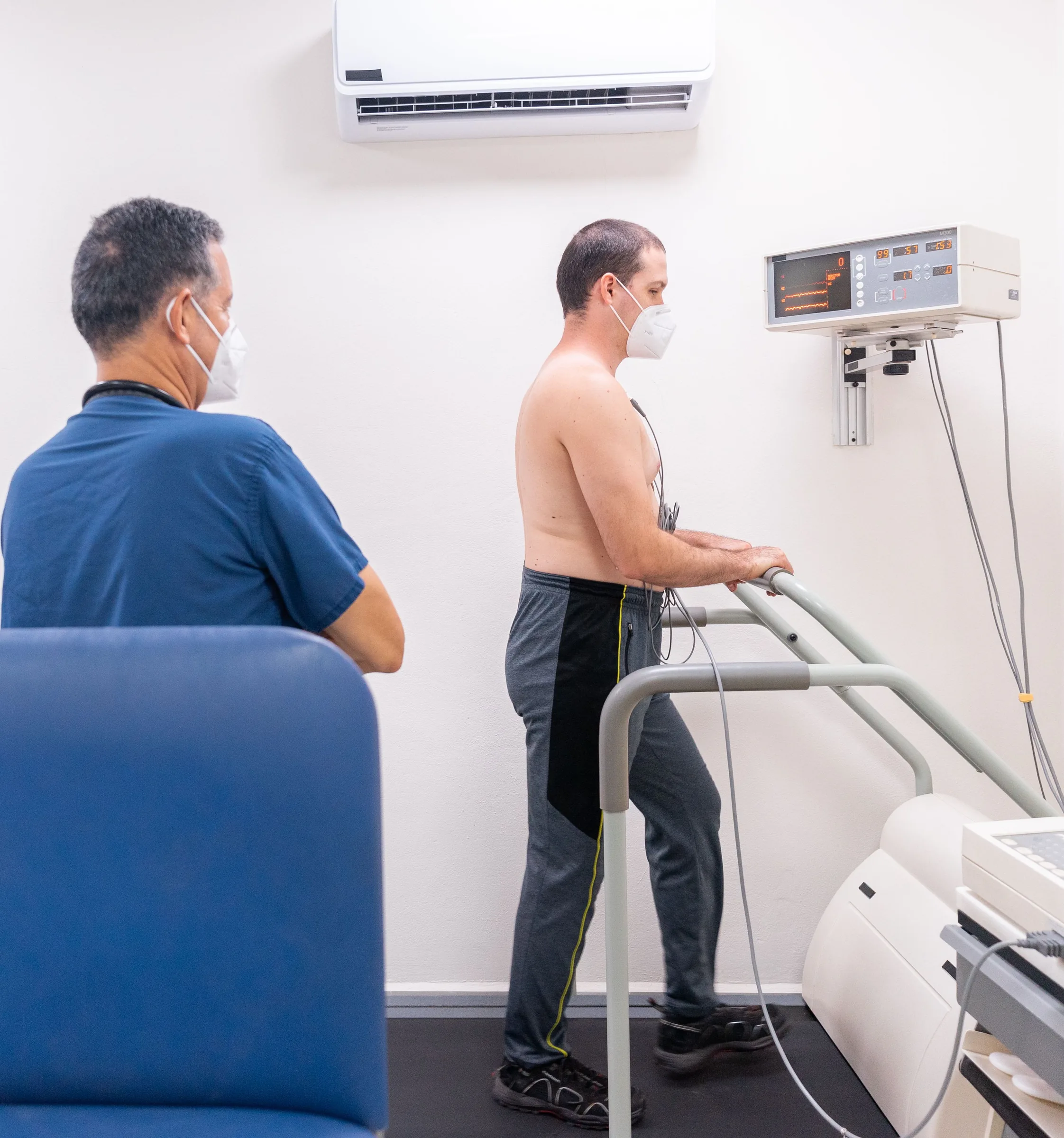
In the case of diabetes, especially Type 1 diabetes, there is a malfunction of insulin-producing cells in the pancreas. Thus, it became one of the most interesting diseases in terms of regenerative medicine because the main question that should be asked in such a case is whether there are possible cell-based solutions to restore or regenerate this damaged part of tissues, or to regulate immune response in the case of Type 1 diabetes.
In the case of Type 2 diabetes, the interest in regenerative medicine lies in the same question but refers to different mechanisms.
What Research Has Generally Explored
| Research Area | General Focus |
|---|---|
| Beta cell replacement or regeneration | Exploring whether stem cell-derived cells could function similarly to natural insulin-producing cells |
| Immune modulation (Type 1 diabetes) | Investigating whether certain cell therapies could help address the autoimmune processes that damage beta cells in Type 1 diabetes |
| Supporting pancreatic function (Type 2 diabetes) | Exploring potential supportive roles in the context of insulin resistance |
| Complication-related research | Some research has explored regenerative approaches for diabetes-related complications, such as wound healing challenges |
Why This Remains Investigational, Not an Established Treatment
It's really important to understand where this research currently stands. Diabetes involves complex, whole-body metabolic and immune processes, and translating early research findings into a reliable, consistently effective clinical treatment is a significant scientific challenge that hasn't yet been fully resolved. Our research and clinical studies page provides broader context on how stem cell research generally progresses from laboratory studies toward potential clinical application, and why that process takes considerable time and rigorous evidence.
This is exactly why any clinic claiming to offer a definitive, established stem cell "cure" or routine treatment for diabetes should be approached with significant scepticism. This kind of claim goes well beyond what current, broadly accepted scientific evidence supports.
What Malaysia's Regulatory Framework Says About This
Regenerative and cell-based therapies in Malaysia operate under guidelines set by the Ministry of Health, with oversight from bodies including the National Pharmaceutical Regulatory Agency (NPRA) and the Medical Device Authority (MDA), depending on the specific product involved. Our legal status guide explains this regulatory landscape in more detail. Any clinic offering a diabetes-specific stem cell treatment should be able to clearly explain how that specific offering aligns with these regulatory frameworks — vague or evasive answers here are a genuine warning sign.
How to Evaluate Diabetes-Related Treatment Claims Critically
When encountering claims of stem cell treatment for diabetes from either a clinic or an advertisement, a number of pertinent questions can be posed:
- "What clinical evidence published in a peer-reviewed journal exists in support of this specific treatment for diabetes?"
- "Is this treatment the subject of a registered clinical trial or offered as a standard treatment?"
- "Is there any approval or regulatory body that governs this specific treatment in Malaysia?"
- "How does the clinic respond to potential failure of this treatment to deliver its promised outcome?"
An honest source of information will deal with such questions head on and recognize the shortcomings in existing knowledge rather than dodge the issue or make general reassuring statements without specifics.
What This Means If You're Living With Diabetes Today
The single most relevant point of information that can be obtained from the paper is that current diabetes management practices, including the use of your endocrinologist, medication, monitoring, and lifestyle strategies, continue to represent the gold standard in the field based on solid evidence. New developments in stem cell technology in relation to diabetes therapy represent an exciting scientific direction, which one may want to be aware of, but should definitely not interfere with established diabetes management at the moment.
If your interest lies in participation in legitimate clinical trials on diabetes and regenerative medicine, this will require your participation in a properly conducted clinical trial, and not in a usual medical treatment.
A Broader Note on How We Approach This Topic
In any case, we think that patients are entitled to information that is both true and honest, particularly in regards to an area of medicine where there is a lot of hope that may predispose patients to being easily fooled into thinking something that isn’t necessarily true. This article was crafted specifically with this goal in mind.
Frequently Asked Questions
1. Is stem cell therapy approved to treat diabetes in Malaysia?
No, it is currently mostly experimental, and it is not a proven form of diabetes treatment. Clinical trials are primarily used in most of this research.
2. Should I discontinue my current diabetes treatment to undergo stem cell therapy?
No, you must never change your established diabetes treatment without specific advice from your physician. This article does not encourage changing proven methods.
3. What is being researched concerning stem cells and diabetes?
Such fields as beta cell regeneration, immune manipulation for type 1 diabetes, as well as supportive therapy for type 2 diabetes have been researched but remain experimental.
4. Why is there no standard procedure of stem cell treatment for diabetes?
Diabetes is a complicated disease involving complex metabolic and immunological processes, thus it is still difficult to translate early research into a reliable clinical method of treatment.
5. Can I rely on a clinic claiming to cure diabetes using stem cell therapy?
Such claims about curing diabetes with stem cell therapy greatly exceed proven evidence, and are rather dubious.
6. How can I find legitimate clinical research on this topic if I'm interested?
Legitimate research typically involves registered clinical trials with proper ethical oversight. Discuss this specifically with your treating physician if you're interested in learning more.
7. Does Malaysia regulate stem cell treatment claims for conditions like diabetes?
Yes, regenerative therapies fall under Ministry of Health guidelines, with additional oversight from agencies like NPRA and MDA depending on the specific product or approach involved.
8. What should I do if I'm considering a stem cell treatment for my diabetes?
Discuss it thoroughly with your treating endocrinologist first, ask the clinic offering it for specific evidence and regulatory clarity, and be cautious of any guarantee of a cure.
Stay Informed With Evidence-Based Information
We believe in providing honest, evidence-focused information on emerging areas of regenerative medicine. Explore our research and clinical studies page for a broader look at where stem cell science currently stands, or get in touch if you have general questions about regenerative medicine in Malaysia.