HSCT in Malaysia
Hematopoietic Stem Cell Transplantation
This is an outstanding procedure that is used in replacing the damaged or destroyed stem cells in the body. Hematopoietic Stem Cell Transplantation is thought to be among the most significant discoveries in modern hematology and is a widely known procedure for treating certain types of blood cancer, bone marrow failure disorders, inherited blood disorder and immune system disorders.
Explore the guide
Specialist-led HSCT
This is an outstanding procedure that is used in replacing the damaged or destroyed stem cells in the body. Hematopoietic Stem Cell Transplantation is thought to be among the most significant discoveries in modern hematology and is a widely known procedure for treating certain types of blood cancer, bone marrow failure disorders, inherited blood disorder and immune system disorders.
In contrast to general regenerative stem cell treatments for tissue healing which are currently investigated, Hematopoietic Stem Cell Transplantation has its specific use in treatment and is carried out according to the international protocols of treatment. The technique implies replacement of damaged or destroyed hematopoietic stem cells with healthy stem cells which are able to regenerate the patient's blood and immune system depending on his/her disease. These stem cells can be taken from the patient himself/herself, or from compatible donors or from donated umbilical cord blood.
In Malaysia, HSCT is done at specific tertiary institutions and transplant centers with multidisciplinary teams in place. The patients receive extensive medical assessment, donor matching if need be, and close follow-up before, during, and after the transplantation process for optimal safety and results.
01 · Recommendation
When Is Hematopoietic Stem Cell Transplantation (HSCT) Recommended?
The use of HSCT is suggested in cases where the bone marrow of the individual does not produce healthy blood cells or the replacement of blood forming stem cells can provide maximum control over the disease. This form of treatment is done following an evaluation done by either a haematologist or a transplant specialist, where the benefits are expected to surpass the risk associated with transplant procedures.
In the case of Malaysia, the decision to carry out HSCT in individuals is made following an evaluation process which takes into account the diagnosis, staging of the disease, past treatments, overall health status of the individual, and possible donors, if any.
Conditions That May Require HSCT
Hematopoietic stem cell transplantation may be recommended for selected patients with:
- Acute and chronic leukaemia.
- Hodgkin and non-Hodgkin lymphoma.
- Multiple myeloma.
- Aplastic anemia.
- Myelodysplastic syndromes (MDS).
- Thalassaemia major and selected inherited blood disorders.
- Certain congenital or acquired immune deficiencies.
A Personalised Treatment Decision
All patients who suffer from some kind of blood disease do not require a stem cell transplantation. In some cases, patients’ diseases can be controlled through medication, chemotherapy, or targeted therapies. The HSCT procedure should be considered when all other treatment methods have been reviewed by the patient and the transplant team.
02 · Selecting an approach
Types of Hematopoietic Stem Cell Transplantation (HSCT)
Autologous HSCT
Autologous hematopoietic stem cell transplant involves the harvest of stem cells from a patient prior to high dose chemotherapy and subsequent infusion of these cells after completion of…
There are several types of hematopoietic stem cell transplant that can be carried out. However, the type to be selected is based on the conditions of the individual, the kind of disease involved, and the eligibility of the stem cell donor. The selection of the most appropriate hematopoietic stem cell transplant in Malaysia is made by the transplant specialists.
Autologous HSCT
Autologous hematopoietic stem cell transplant involves the harvest of stem cells from a patient prior to high dose chemotherapy and subsequent infusion of these cells after completion of therapy into the same patient’s body for regaining of bone marrow functionality.
Autologous HSCT is commonly performed for selected patients with:
- Multiple myeloma.
- Hodgkin lymphoma.
- Non-Hodgkin lymphoma.
- Certain relapsed or treatment-resistant blood cancers.
Allogeneic HSCT
A stem cell transplantation that employs hematopoietic stem cells from another person who is a close match for the patient is an allogenic hematopoietic stem cell transplantation. The source of donors could be siblings, relatives, voluntary donors or even umbilical cord blood donors.
Allogeneic HSCT is often recommended for conditions such as:
- Acute leukaemia.
- Chronic leukaemia.
- Aplastic anaemia.
- Myelodysplastic syndromes.
Umbilical Cord Blood HSCT
The hematopoietic stem cells may be obtained from the umbilical cord blood, which is important for transplantation if there is no matching adult donor. Although the transplantation using umbilical cord blood is less frequent than other HSCT such as autologous and allogeneic HSCT, it still holds its importance.
Choosing the Right HSCT Approach
Selecting the appropriate transplant type requires careful evaluation of several factors, including:
- The patient's diagnosis and disease stage.
- Age and overall health.
- Previous treatments.
- Availability of a compatible donor.
- Current clinical guidelines and expected treatment outcomes.
03 · The HSCT pathway
The Hematopoietic Stem Cell Transplantation (HSCT) Process
Before transplantation, patients undergo a comprehensive medical checkup to determine whether HSCT is appropriate. This assessment may include:
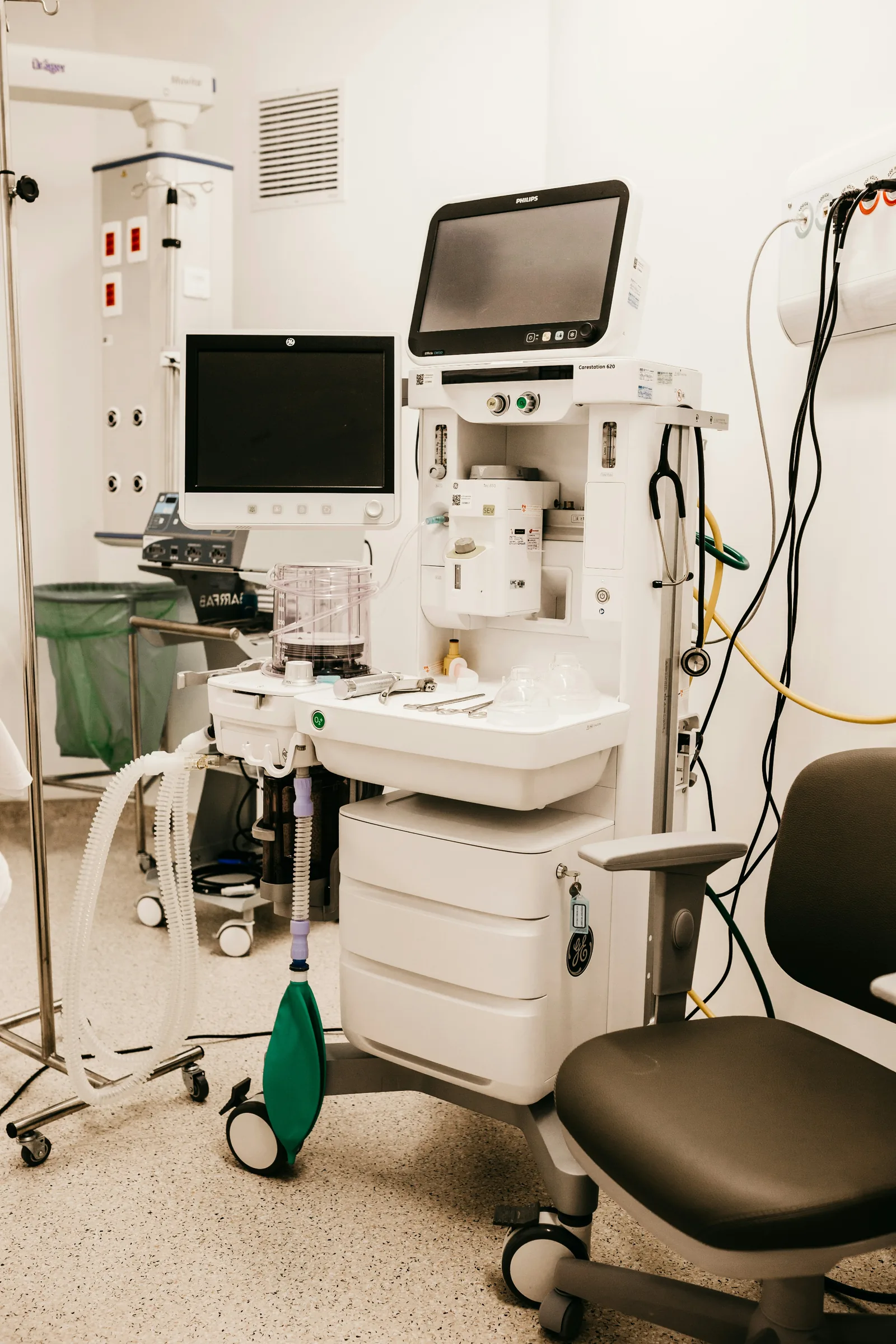
Hematopoietic Stem Cell Transplantation is a carefully studied form of treatment that has several steps before, during, and after the transplantation procedure. The treatment process is completed by a multidisciplinary team of transplant specialists that includes haematologists, transplant physicians, nurses, laboratory technicians, and supportive care experts. The patients in Malaysia undergo detailed checkups throughout the entire transplantation process.
Step 1: Pre-Transplant Assessment
Before transplantation, patients undergo a comprehensive medical checkup to determine whether HSCT is appropriate. This assessment may include:
- Blood investigations.
- Bone marrow examination.
- Heart and lung function tests.
- Infection screening.
- Organ function assessment.
- Donor compatibility testing for allogeneic HSCT.
Step 2: Conditioning Therapy
Conditioning is normally conducted before transplantation of healthy stem cells through high doses of chemotherapy with or without radiation therapy. Conditioning refers to killing of diseased bone marrow cells, immune suppression where necessary, and preparation of the body for accepting the stem cell transplant.
Step 3: Stem Cell Infusion
Before the healthy stem cells are administered, the patient goes through conditioning therapy, which entails high doses of chemotherapy with or without radiotherapy. Conditioning therapy seeks to kill any cancerous bone marrow cells, inhibit the immune system in cases where it is necessary, and get the body ready for transplantation.
Step 4: Recovery and Monitoring
Post-transplantation, the patient is under continuous observation as the stem cells start forming healthy blood cells, a procedure called engraftment. The blood cell count, immune recovery, and possible complications are carefully watched during this time. This is followed by follow-up care even after being discharged from the hospital.
04 · Balance benefit and risk
Benefits and Risks of Hematopoietic Stem Cell Transplantation
Two sides of the treatment decision
Select a stage to trace the pathway
Hematopoietic stem cell transplantation (HSCT) is a therapeutic approach that can save lives of some patients suffering from certain blood and immune system disorders. Like any advanced medical intervention, HSCT provides numerous clinical benefits but entails some risks as well. When recommending HSCT to patients, clinicians weigh its possible advantages against probable disadvantages.
Potential Benefits of HSCT
For suitable patients, HSCT may:
- Restore healthy bone marrow function.
- Re-establish normal blood cell production.
- Replace diseased or damaged hematopoietic stem cells.
- Offer long-term disease control for selected blood cancers and bone marrow disorders.
- Improve immune system function in certain inherited or acquired immune diseases.
Potential Risks and Complications
Because HSCT involves intensive treatment and immune system recovery, patients may experience problems that require specialised medical care. Potential risks include:
- Infection during periods of low immunity.
- Bleeding due to reduced platelet counts.
- Organ-related complications associated with conditioning therapy.
- Delayed or unsuccessful engraftment.
- Graft-versus-host disease (GVHD) following allogeneic transplantation.
Conclusion
Hematopoietic Stem Cell Transplantation (HSCT) is a proven medical procedure and has transformed the treatment methods for numerous types of cancers, bone marrow diseases, genetic blood diseases, and some immune system diseases. While the regenerative medicine treatments are being investigated and there is no defined international standard for their application, the HSCT procedure has been thoroughly investigated throughout the last decades and there are clear guidelines on how to apply this treatment method. If conducted properly in a suitable patient, it can restore the production of normal blood cells and control the disease.
The HSCT procedure can be found in Malaysia in specialized transplant centers where a highly-trained multidisciplinary team manages all aspects of care from initial screening, donor selection, transplanting process, to follow-up. Due to the uniqueness of each case, the decision of undergoing HSCT procedure should be done only after proper medical evaluation and risk assessment.
HSCT questions
Frequently Asked Questions
HSCT is a medical procedure whereby damaged/diseased hematopoietic stem cells are replaced with healthy hematopoietic stem cells so as to rejuvenate the bone marrow and its capacity to produce normal blood cells.
The medical procedure is mainly used in treating patients suffering from leukaemia, lymphoma, multiple myeloma, aplastic anaemia, myelodysplastic syndromes, thalassaemia and some cases of inherited immune disorders.
Autologous HSCT entails the use of stem cells of the patients themselves while allogeneic HSCT involves the use of stem cells from suitable donors.
Yes. Hematopoietic Stem Cell Transplantation is offered in selected specialist hospitals and transplant centers in Malaysia.
It takes a few weeks for the recovery of blood cells and several months for the immune system to recover completely.
Not at all. The actual process of stem cell transfusion is not surgery. Stem cells are delivered via intravenous (IV) line, just like blood donation, following completion of the conditioning phase.
The decision of the suitability of HSCT for you can be made only by a professional haematologist or transplant specialist.
HSCT pathway
Prepare for a complex, specialist-led treatment journey.
Diagnosis, donor strategy, conditioning, infection prevention, and recovery planning all shape HSCT care.
Compare transplant types