Stem Cell Therapy
Stem Cell Therapy vs PRP Therapy: What's the Difference?
PRP or stem cell therapy what's actually different, and how do doctors in Malaysia decide which regenerative option fits your condition?
Stem Cell Malaysia· 7 min read
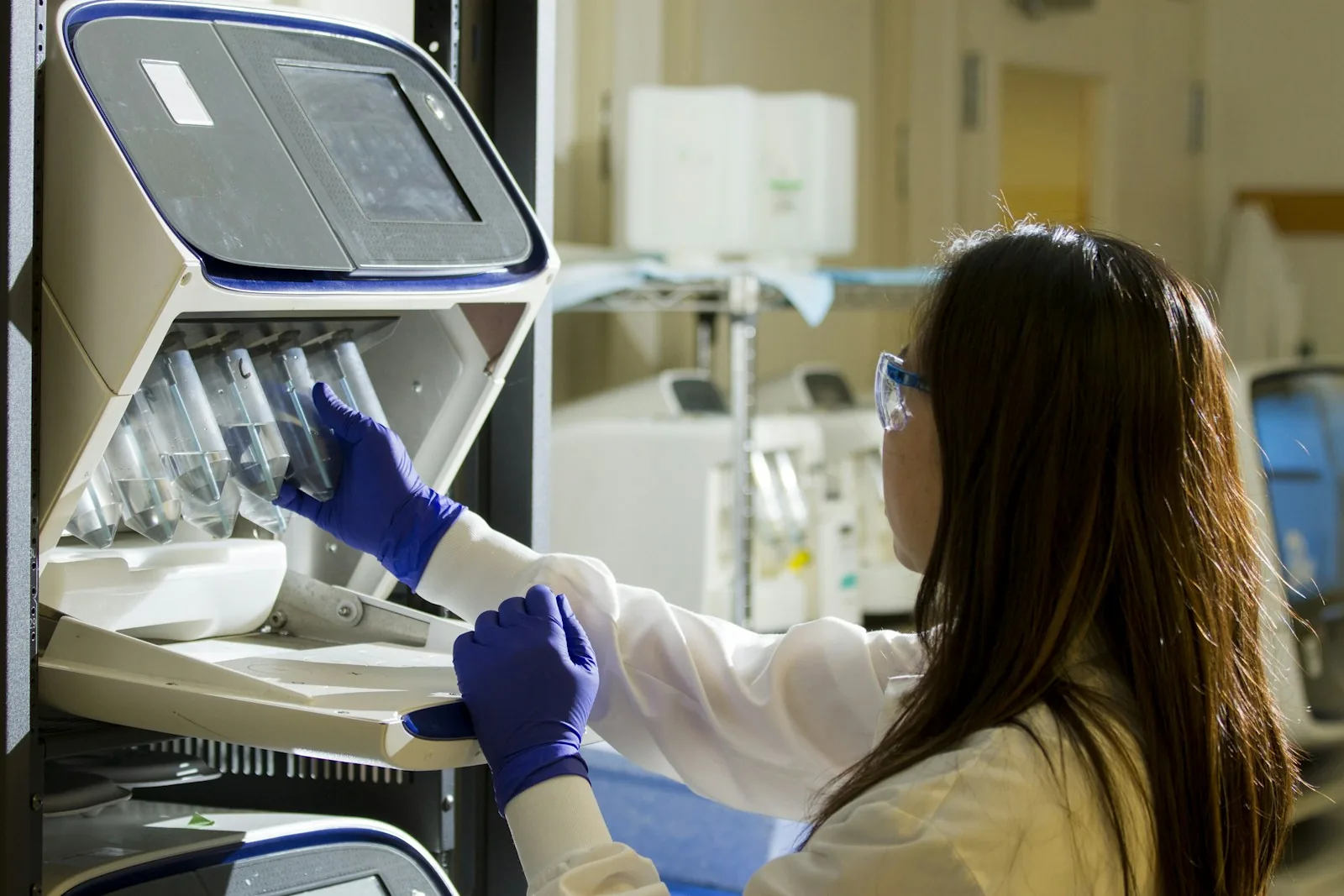
If you have been reading about regenerative treatments in Malaysia, then it is likely that you will have encountered both stem cell treatment and PRP (platelet-rich plasma) treatment, which tend to be referred to together quite often. While it might seem like they are just different terms for essentially the same thing, the two are actually very different.
The Core Difference: Cells vs Platelets
Stem cell therapy uses cells that have the ability to develop into different cell types and support tissue repair processes. Depending on the source, these may come from the patient's own body (autologous) or from a donor source (allogeneic), and they're introduced into the treatment area to support the body's natural repair mechanisms.
PRP therapy uses a concentrated preparation of the patient's own platelets, drawn from their blood and processed to increase platelet concentration. Platelets contain growth factors that play a role in the body's healing response, and PRP is used to deliver a higher concentration of these growth factors directly to an area needing support.

| Factor | Stem Cell Therapy | PRP Therapy |
|---|---|---|
| What's used | Cells with repair and regenerative potential | Concentrated platelets from the patient's own blood |
| Source | Patient's own tissue or donor source, depending on type | Always the patient's own blood |
| Processing | More complex laboratory processing | Simpler centrifugation process |
| Invasiveness | Varies by collection method, generally more involved | Generally less invasive, blood draw only |
| Typical cost | Generally higher | Generally lower |
| Common use cases | Broader range of conditions, from orthopaedic to other applications | Primarily musculoskeletal and some aesthetic applications |
How Stem Cell Therapy Works
Stem cells are studied for their potential to support tissue repair and modulate the body's inflammatory response, depending on the specific cell type and how they're sourced. Our types of stem cells guide covers the different categories in more detail, including mesenchymal stem cells, which are commonly discussed in the context of orthopaedic and regenerative applications.
The harvesting and preparation of stem cells for stem cell therapy usually take up more time than that of PRP, as it involves a process of harvesting according to the method of source of stem cells, which may be through bone marrow or any other tissue.
How PRP Therapy Works
Preparation of PRP is done using a relatively easy procedure where blood is taken from the patient and separated to concentrate the platelets through centrifugation before the platelets are injected into the affected areas. The theory behind this procedure is that concentrating the growth factors at the injection site helps the body’s natural healing process better.
Due to the relatively easier preparation process involved in PRP as opposed to stem cells, PRP is normally considered a simpler procedure than stem cell therapy.
Where Each Treatment Is Typically Considered
| Condition Type | More Commonly Associated With |
|---|---|
| Mild to moderate joint or tendon issues | PRP therapy is often considered as a first-line regenerative option |
| More advanced joint degeneration | Stem cell therapy may be discussed as part of a broader treatment conversation, alongside knee osteoarthritis considerations |
| Hair thinning concerns | Both are used in different contexts; see our hair treatment page for specifics |
| Skin and facial rejuvenation | Both PRP and stem cell approaches exist in this space; our facial treatment page explains the stem cell angle |
| Autoimmune or systemic conditions | Generally falls under stem cell therapy discussions rather than PRP, given the broader mechanism involved; see autoimmune conditions |
This isn't a strict rulebook, the right option, if either, depends on your specific diagnosis, medical history, and a proper assessment by a qualified doctor, not a general condition category alone.
Comparing Cost and Invasiveness
PRP treatment is the one that usually costs less than stem cell treatment because the procedure in its entirety is relatively easy: a blood sample is taken and then injected back into the patient in one appointment. On the other hand, stem cell procedure may require a number of different procedures, and therefore it may cost more because it is more complicated in terms of preparation and processing.
For an accurate, personalised cost comparison, our stem cell therapy cost guide breaks down what typically factors into pricing in Malaysia.
When Might a Doctor Recommend One Over the Other?
This decision genuinely depends on the individual case, but a few general patterns tend to guide the conversation:
- Earlier-stage or milder conditions are sometimes approached with PRP first, given its lower invasiveness and cost, before considering more involved options
- More advanced or complex conditions may prompt a discussion about stem cell therapy as part of a broader treatment plan
- Patient preference around invasiveness and budget genuinely factors into the conversation, since both are elective regenerative options in most contexts
- Medical history and suitability ultimately determine which, if either, option is appropriate — this isn't a decision to make based on marketing alone
Can PRP and Stem Cell Therapy Be Used Together?
There are instances when a combination of the two methods is recommended by doctors for regeneration therapies because they act differently and may complement each other in specific situations. The appropriateness of the two will depend solely on the patient and his or her specific situation. It must only be recommended after a professional medical evaluation and not individually.
What Neither Treatment Guarantees
It's worth being direct about this: neither PRP nor stem cell therapy is a guaranteed cure, and outcomes vary between individuals based on the specific condition, its severity, and how the person responds to treatment. Reputable clinics in Malaysia will discuss realistic expectations, potential risks, and alternative options as part of informed consent, rather than promising guaranteed results. Our research and clinical studies page provides a more evidence-focused look at what current research actually shows.
Frequently Asked Questions
1. Is stem cell therapy better than PRP?
It depends on a person and his specific condition, which requires treatment. It is not always true that one procedure is better than another, and it all comes down to a diagnosis.
2. Is PRP therapy cheaper than stem cell therapy?
Yes, because PRP therapy includes taking a blood sample only and centrifugation of it to extract growth factors.
3. Can I have PRP and stem cell therapy simultaneously?
Sometimes, a doctor will recommend a simultaneous use of these two therapies as a part of an overall treatment plan. But it is fully up to an individual assessment by the doctor, not a combination as such.
4. Is PRP therapy less invasive than stem cell therapy?
Yes, because PRP therapy includes taking a blood sample only, while the extraction of stem cells is made in a different way and is dependent on their source.
5. Which conditions can be treated with PRP therapy?
Normally, PRP is associated with musculoskeletal injuries and aesthetic purposes.
6. Does stem cell therapy work for everyone with joint problems?
No treatment works identically for everyone. Suitability depends on the specific condition, its severity, and a proper medical assessment, not a guaranteed outcome for all patients.
7. How do I know which treatment is right for my condition?
This requires a proper consultation with a qualified doctor who can assess your specific diagnosis, medical history, and discuss realistic expectations for either option.
8. Are both treatments regulated in Malaysia?
Yes, regenerative treatments in Malaysia fall under guidelines set by the Ministry of Health, alongside oversight from agencies like NPRA and MDA depending on the specific product or device involved.
Considering Your Regenerative Treatment Options?
Understanding the difference between PRP and stem cell therapy is a good first step, but the right choice depends on your specific condition. Request a consultation to discuss which option, if any, may be appropriate for you.