Stem Cell Therapy
Stem Cell Therapy for Stroke Recovery in Malaysia
Stem Cell Malaysia· 7 min read
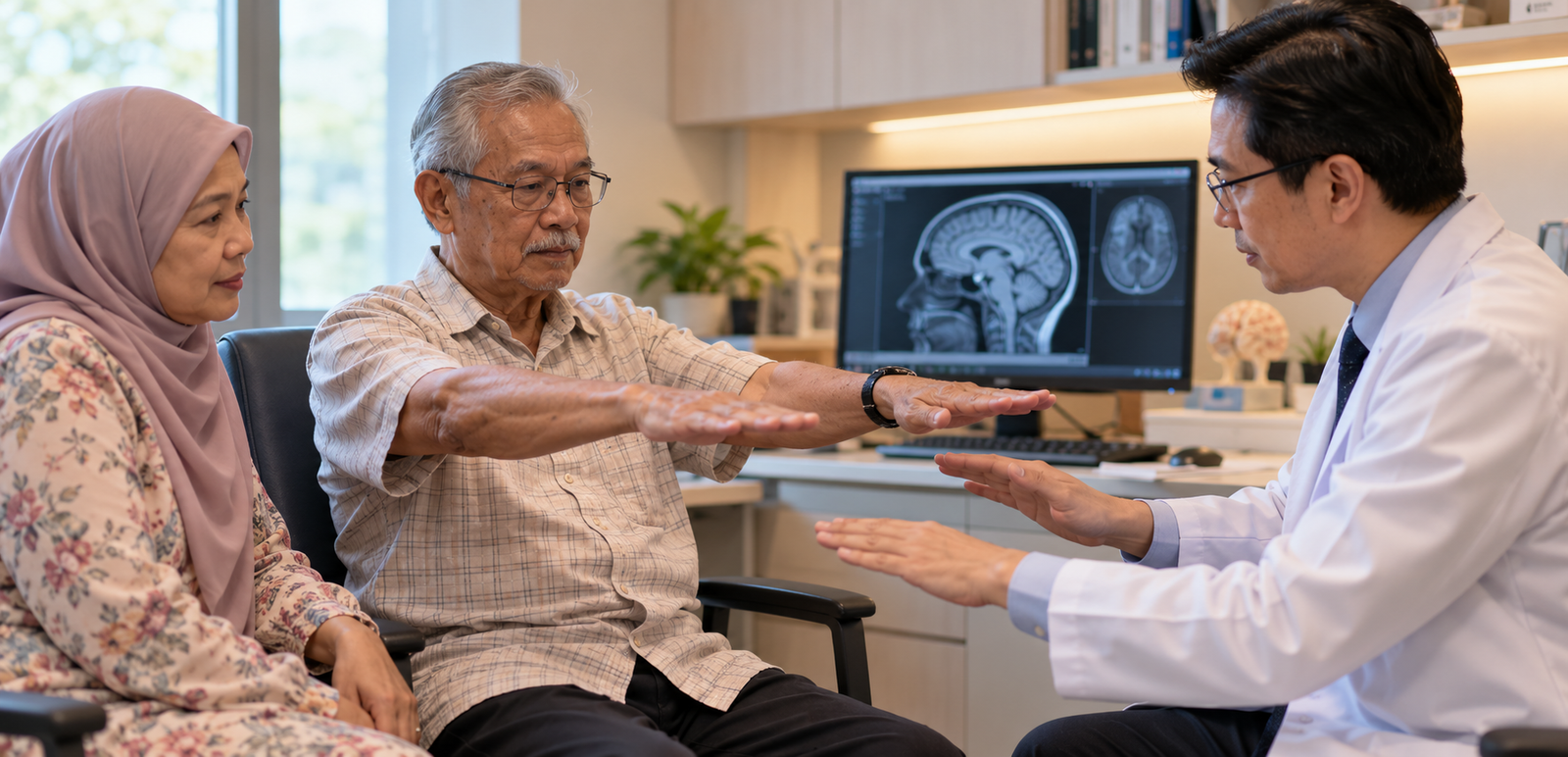
Few moments change a family's life as suddenly as a stroke. A parent who was chatting at breakfast may wake with a drooping face, weak arm or slurred speech. In Malaysia, stroke remains one of the leading causes of death and long-term disability, and rising rates of hypertension, diabetes and high cholesterol continue to put more adults at risk, increasingly at younger ages.
When recovery stalls, families naturally search for anything that might help, and stem cell therapy often appears near the top of the results. This article explains what the research really says, what is still experimental, and how Malaysian families can approach the topic safely.
How a Stroke Damages the Brain
Most strokes (roughly 8 in 10 worldwide) are ischaemic, caused by a blocked artery that starves brain tissue of oxygen. The rest are haemorrhagic, caused by bleeding. In both cases, neurons and their supporting cells die within minutes to hours, and inflammation in the surrounding tissue can worsen injury.
The adult brain has only limited ability to replace lost neurons. Recovery instead depends heavily on neuroplasticity, meaning surviving circuits reorganise to take over lost functions. This is why early, intensive rehabilitation is the backbone of stroke care.
The Theory Behind Stem Cells for Stroke
Researchers have explored cell therapy because it may work through several mechanisms:
- Paracrine signalling. Cells release growth factors and anti-inflammatory molecules that may protect tissue and support repair.
- Immune modulation. Mesenchymal stem cells (MSCs) may calm the excessive inflammatory response after injury.
- Promoting new blood vessels and connections. This could improve the environment for rehabilitation.
- Cell replacement. Neural stem or progenitor cells might, in theory, replace lost neurons, although this is the hardest goal to achieve.
Importantly, most current evidence points to support and signalling rather than large-scale replacement of dead brain tissue.
What Clinical Trials Have Found
| Trial type or programme | Cell type | Main takeaway |
|---|---|---|
| Early-phase safety studies | Autologous bone marrow mononuclear cells or MSCs | Generally feasible and tolerated; efficacy unclear |
| MASTERS (phase 2) | Allogeneic bone marrow-derived multipotent adult progenitor cells | Safe; no clear benefit at the primary endpoint, though later analyses hinted at benefit with early dosing |
| TREASURE (Japan) | Similar allogeneic product given within about 2 days | Explored early use; regulatory pathway discussed but debate continues |
| Neural stem cell trials (for example PISCES) | Fetal-derived neural stem cells injected into the brain | Small studies; safety signals acceptable, functional benefit uncertain |
| SB623 in chronic stroke | Modified bone marrow-derived cells implanted into the brain | Some motor improvements in a small open-label study; needs larger controlled confirmation |
| Systematic reviews | Various | Low-to-moderate certainty; possible functional gains but heterogeneity is high |
Across these studies, several themes emerge:
- Safety looks acceptable in controlled settings. Serious cell-related harms have been uncommon in regulated trials.
- Benefit is not yet confirmed. Some trials showed improvements on scales such as the modified Rankin Scale, while others did not.
- Timing may matter. Early administration in the first days is being tested for acute stroke, while chronic-stage trials investigate patients months or years afterwards.
- Stroke type and severity influence outcomes. Results in one group cannot simply be applied to another.
Large phase 3 programmes are ongoing, which is why the honest summary is that stem cell therapy for stroke is promising but not yet established.
What Is Proven First: The Standard Stroke Pathway in Malaysia
Before considering any experimental treatment, it is worth ensuring that the proven pieces are in place.
- Time-critical treatment. Clot-dissolving medication may be given within a limited window, and mechanical thrombectomy can be offered at suitable stroke-ready hospitals. In Malaysia, remember the FAST signs (Face, Arm, Speech, Time) and go to the nearest hospital with stroke services immediately.
- Secondary prevention. Controlling blood pressure, blood sugar and cholesterol, taking antiplatelets or anticoagulants as prescribed, and addressing atrial fibrillation greatly reduce the risk of another stroke.
- Structured rehabilitation. Physiotherapy, occupational therapy, speech therapy and swallowing assessment. Public hospitals, university hospitals and many private centres in the Klang Valley, Penang and Johor Bahru offer inpatient and outpatient programmes.
- Emotional and caregiver support. Post-stroke depression is common and treatable.
Any stem cell approach should be considered an addition to rehabilitation, never a substitute.
Who Might Be Considered for Cell Therapy?
Clinical trials typically enrol adults who meet strict criteria, such as a defined time since stroke, a certain level of neurological deficit and no unstable medical problems. In private practice, criteria may be looser, which is why independent medical opinion matters. Patients who may be told they are "suitable" should ask why, and on what evidence.
People who are usually excluded from trials, and who should be especially cautious, include those with:
- Active cancer or a history of recent malignancy
- Uncontrolled infection
- Very unstable blood pressure or heart disease
- Severe kidney or liver impairment
- Pregnancy or breastfeeding
Routes of Administration
Different routes carry different risks:
| Route | How it works | Considerations |
|---|---|---|
| Intravenous infusion | Cells given through a drip | Least invasive; most cells pass through the lungs first |
| Intra-arterial | Delivered through an artery towards the brain | Needs specialist expertise; risk of blocked vessels |
| Intracerebral implantation | Direct injection into brain tissue via surgery | Highest procedural risk; used mainly in trials |
| Intrathecal | Injection into spinal fluid via lumbar puncture | Used in some clinics; evidence limited and risks require careful discussion |
For a closer look at safety, see our summary of stem cell therapy side effects reported in clinical studies.
Cost and Practical Considerations in Malaysia
Private stem cell programmes for neurological conditions in Malaysia are frequently quoted in the range of tens of thousands of ringgit, sometimes higher when cultured cells, multiple infusions, hospital stay and rehabilitation packages are combined. Because prices differ so much, ask for an itemised quotation that separates:
- Consultation and pre-treatment tests (MRI, blood tests, infection screening)
- Cell collection, laboratory processing and quality release testing
- Administration and hospital fees
- Follow-up visits and rehabilitation
It is also worth reading about how many stem cell sessions are usually needed, because repeat-dose packages can significantly increase total cost without proof that repeat doses help.
Medical insurance typically excludes experimental treatments, so most patients pay out of pocket. Do not deplete funds needed for rehabilitation, home modifications, caregiver help or medication.
Regulation: Why It Matters
In Malaysia, cell and gene therapy products fall under the oversight of the National Pharmaceutical Regulatory Agency (NPRA) and related Ministry of Health requirements. A clinic that advertises cell therapy for stroke should be able to explain the regulatory status of its product and the qualifications of its doctors. Our article on NPRA rules for cell and gene therapy products covers what to look for.
Red Flags to Watch For
- Promises of a "cure" or guaranteed recovery
- Claims that stem cells "rebuild the brain" without trial evidence
- Pressure to pay quickly or "before the price goes up"
- Reluctance to share cell source, dosage and laboratory information
- Testimonials used in place of published data
- No follow-up plan or emergency arrangements
A Sensible Decision Checklist
- Ask your neurologist or rehabilitation physician for an independent opinion.
- Confirm whether a registered clinical trial is available locally or abroad.
- Request the product's regulatory status and laboratory quality documents.
- Compare the total cost with intensive rehabilitation options.
- Set realistic goals, such as better hand function or walking stamina, and agree how you will measure them.
Frequently Asked Questions
Can stem cells reverse paralysis after a stroke?
No treatment has been proven to reliably reverse paralysis. Some trials report modest motor improvements in selected patients.
Is it too late if my stroke was years ago?
Some chronic-stage trials exist, but evidence is early. Rehabilitation continues to help many people long after a stroke.
Is autologous better than donor cells?
Neither is proven superior for stroke. Our guide on autologous versus allogeneic stem cells explains the trade-offs.
Final Thoughts
Stem cell therapy is an active and fascinating area of stroke research, and Malaysian families are right to ask about it. Yet the strongest evidence today still supports rapid emergency care, risk-factor control and persistent rehabilitation. Treat cell therapy as an experimental add-on, verify claims, and choose transparency over hype.
Explore more balanced guides at Advance Stem Cell to prepare questions for your care team.
This article is educational and does not replace professional medical advice. Consult your neurologist or licensed doctor before making treatment decisions.