Stem Cell Therapy
What to Expect After Stem Cell Therapy: A Week-by-Week Recovery Guide
What actually happens after stem cell therapy? A general week-by-week guide to recovery expectations, monitoring, and follow-up care.
Stem Cell Malaysia· 7 min read
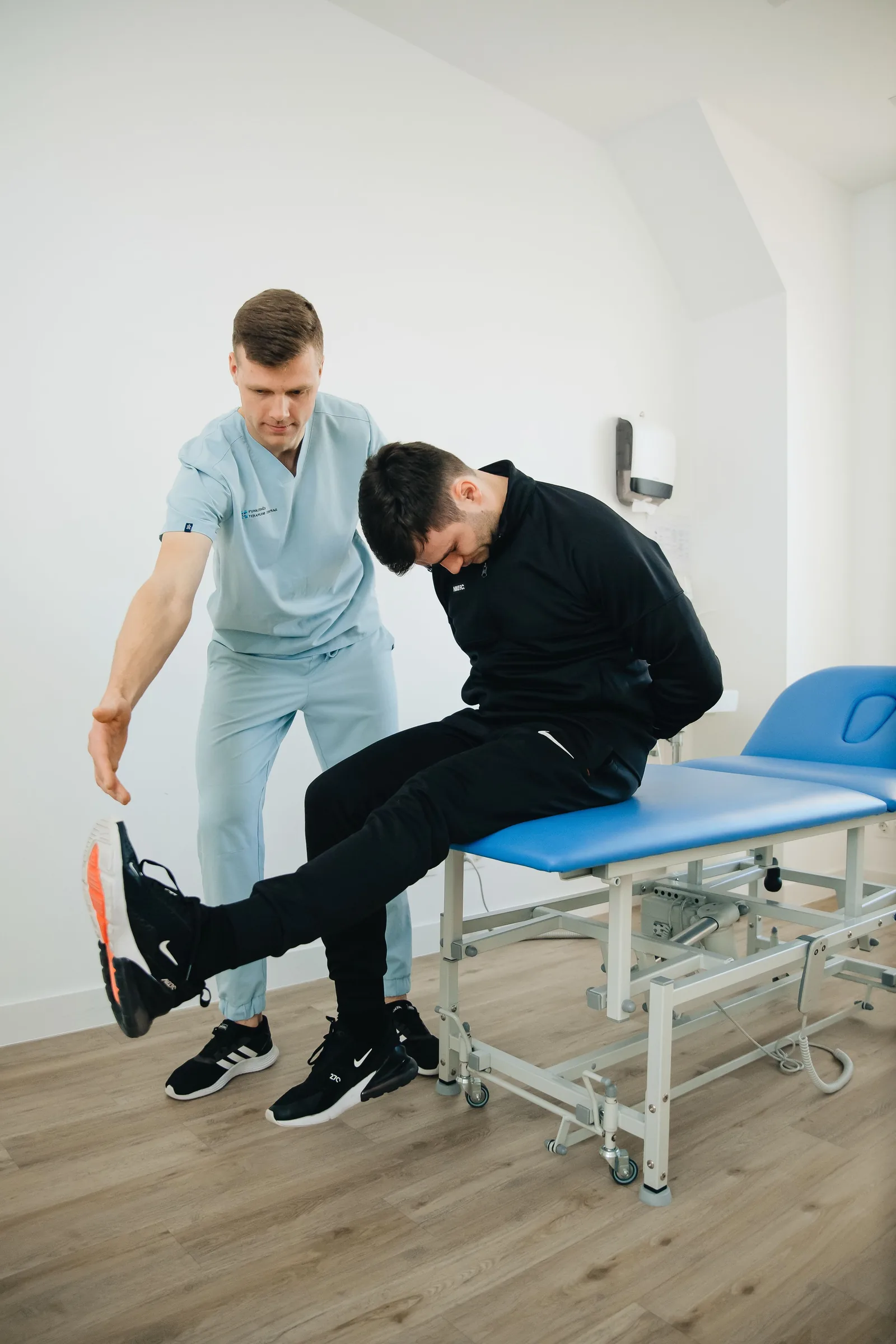
Once the treatment has been completed, a new set of queries arise: What am I supposed to experience now? What is normal? When will I actually experience something? The guide takes you through the overall recovery process on a weekly basis. It must be said at the beginning that recovery can differ from patient to patient, from the specific problem being treated and from the kind of treatment.
Before We Start: Why Timelines Vary So Much
A variety of aspects influence the period of recovery after stem cells therapy and vary from person to person because of the following factors: the disease itself, the technique used for obtaining stem cells and their administration, the state of your general health, and your body's response to the treatment. It means that two people suffering from one disease and going through the same treatment may actually recover in different ways.
Week 1: Immediate Post-Treatment Period

This first week is generally about monitoring and allowing your body to begin its initial response to treatment.
What's commonly experienced:
- Mild soreness or discomfort at the injection or treatment site, similar to what you might feel after other injections
- Possible mild swelling or bruising, depending on the treatment area and method
- Instructions from your doctor regarding activity restrictions specific to your treatment
- A follow-up check-in, either in person or by phone, to confirm you're recovering as expected
What to generally avoid during this period:
- Strenuous activity involving the treated area, unless your doctor has specifically cleared it
- Skipping any prescribed follow-up appointments, even if you feel fine
- Assuming any unusual or worsening symptoms will simply resolve on their own without checking in
Our risks and side effects page covers what's generally considered a normal reaction versus something that warrants prompt medical attention.
Weeks 2–4: Early Recovery Phase
By this point, soreness due to the procedure should have subsided for the majority of the patients, although that may not be the case. The focus of this phase will be on the internal processes initiated by the body that may not have shown themselves yet.
What's commonly relevant during this phase:
- Stepwise resumption of routine activities according to specific instructions from your physician related to your condition
- Monitoring that may entail a follow-up evaluation
- In certain conditions, you might notice early changes, but this can vary immensely and is not something to be anticipated in all cases
- Adhering to any particular instructions provided for rehabilitation or support of your condition
Setting expectations correctly here matters: it's genuinely common to not notice dramatic changes yet at this stage, and this isn't necessarily a sign the treatment isn't working. Regenerative processes take time to unfold biologically.
Month 2–3: Continued Response Period
This is often when more patients begin to notice changes, though again, this varies considerably by condition and individual.
What's typically part of this phase:
- A scheduled follow-up assessment with your doctor to evaluate progress
- For applicable conditions, some patients may begin noticing functional or symptomatic changes
- Continued adherence to any supportive care, rehabilitation, or lifestyle guidance provided
- An honest conversation with your doctor about your progress relative to what was discussed as a realistic expectation before treatment
Month 3–6: Assessing Meaningful Change
By this point, most patients and their doctors have enough information to properly assess how the treatment has performed for their specific situation.
| Consideration | What This Assessment Typically Involves |
|---|---|
| Symptom or functional change | Comparing your current status against your pre-treatment baseline |
| Diagnostic follow-up, if applicable | Some conditions may warrant repeat imaging or testing to assess objective change |
| Discussion of next steps | This may include continued monitoring, additional treatment consideration, or exploring other options if results are limited |
It's worth being direct here: not every patient experiences the same degree of change, and a proper follow-up assessment at this stage is where you and your doctor honestly evaluate what's actually happened, rather than relying on hope or assumption.
Beyond 6 Months: Long-Term Monitoring
For many conditions, ongoing monitoring continues well beyond the initial recovery period, particularly for chronic conditions where tracking progress over a longer timeframe provides more meaningful information than a single assessment point.
Long-term considerations often include:
- Periodic follow-up appointments to track whether initial changes are sustained
- Discussion of whether any additional treatment, of any kind, is appropriate based on your progress
- Ongoing management of your underlying condition alongside whatever benefit, if any, the treatment provided
A General Recovery Timeline at a Glance
| Timeframe | General Focus |
|---|---|
| Week 1 | Immediate monitoring, managing procedure-related discomfort |
| Weeks 2–4 | Early recovery, gradual return to normal activity |
| Month 2–3 | Continued response period, first follow-up assessment |
| Month 3–6 | More meaningful evaluation of change, discussing next steps |
| 6+ months | Long-term monitoring, particularly for chronic conditions |
When to Contact Your Doctor During Recovery
Regardless of where you are in this general timeline, certain situations warrant reaching out to your medical team promptly rather than waiting for your next scheduled appointment:
- Increasing pain, rather than gradual improvement, at the treatment site
- Signs of infection, such as increasing redness, warmth, or discharge
- Any new or unexpected symptoms that concern you
- Uncertainty about whether what you're experiencing is a normal part of recovery
Why Following Up Genuinely Matters, Even If You Feel Fine
While it may seem unimportant to attend follow-up visits after symptoms have dissipated and you feel fine, the follow-up process is not only about determining any complications but also how you and your doctor determine if the treatment was successful in meeting an achievable goal. Not attending the visit results in making future healthcare choices based on incomplete information.
Frequently Asked Questions
1. How long will it take for me to recover after the stem cell procedure?
This depends on the specific medical condition being treated, method of treatment used, and person involved, ranging from quick initial recovery to longer-term evaluation over a number of months.
2. When will I be able to see if my treatment works?
This can happen at different points of time, depending on the patient's case. There are those who notice some changes within weeks, and those who have to wait for months. The appropriate period for evaluation is usually about 3-6 months.
3. Is it possible that I will not notice any improvement in the first few weeks after my treatment?
It is quite normal, and does not indicate any failure of the treatment since the regenerative process requires time to happen.
4. If I feel anything unusual after treatment, what should I do?
Contact your physician immediately instead of waiting for your next scheduled visit, especially if there are such symptoms as increased pain or infection.
5. Do I need to attend follow-up appointments if I feel fine?
Yes, follow-up appointments are how you and your doctor accurately assess whether treatment is achieving the discussed goals, not just a check for problems.
6. How long does monitoring continue after stem cell therapy?
For many chronic conditions, monitoring continues well beyond initial recovery, sometimes for six months or longer, to track whether changes are sustained over time.
7. Can activity restrictions differ significantly between patients?
Yes, restrictions depend on the specific condition, treatment method, and treatment area, which is why following your specific doctor's guidance matters more than general assumptions.
8. What happens if I don't see the results I expected by month 3-6?
This is exactly what your follow-up assessment is for — an honest discussion with your doctor about your actual progress and what next steps, if any, make sense for your situation.
Understand What Recovery Looks Like for Your Specific Situation
General timelines are useful, but your specific recovery plan should come from your own doctor based on your condition and treatment. Request a consultation to discuss what recovery would realistically look like for you.