Stem Cell Therapy
Myths and Facts About Stem Cell Therapy in Malaysia
Is stem cell therapy a scam, or does it actually work? We separate common myths from evidence-based facts for patients in Malaysia.
Stem Cell Malaysia· 7 min read

The area of stem cell therapy is placed rather strangely in terms of public perception for some it appears to be a sci-fi concept, while for others it becomes an amazing treatment for everything due to the exaggerations in its marketing. The facts again are somewhere between these perceptions, and here you can see the main myths debunked.
Why Myths Around This Topic Spread So Easily
Regenerative medicine is actually complicated, dynamic, and sometimes even hyped beyond what the current state of research really says. Add to this mix the emotional intensity of having a chronic condition or injury, which means people are looking for something to be hopeful about, and the result is a perfect breeding ground for confusion and even overstatement.
Myth 1: "Stem Cell Therapy Is a Guaranteed Cure"
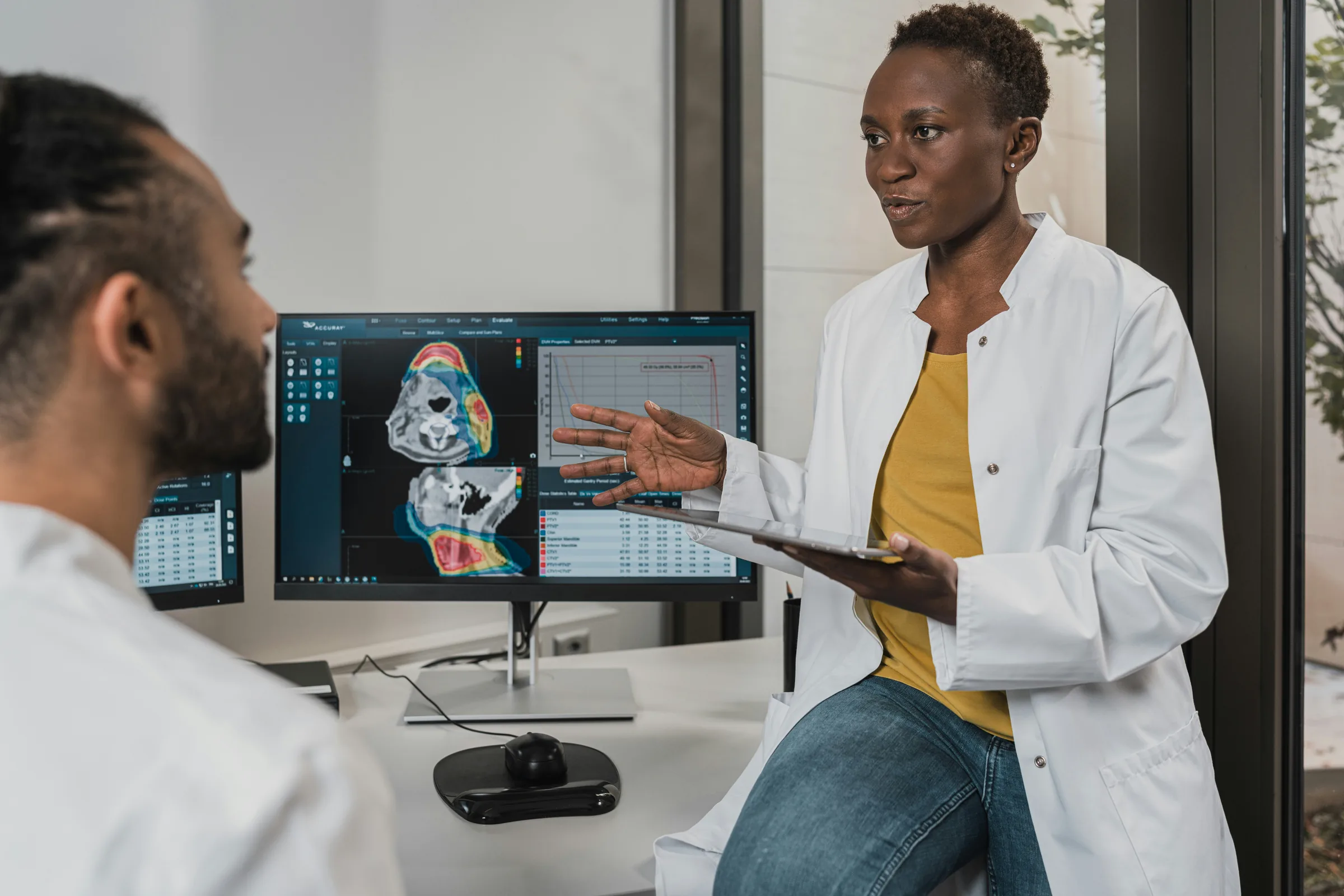
The reality: It would be impossible for any reputable clinic offering stem cell treatments or other kinds of therapies to provide a guarantee of the success of the procedures performed. Every person will have a different experience depending on the nature of the condition, the severity of the case, general health status, and how the body reacts to the treatment. Our verification guide specifically flags "guaranteed cure" claims as a warning sign worth taking seriously.
Myth 2: "Stem Cells Work for Any Condition You Throw at Them"
The reality:The research and use of stem cells in the treatment of various diseases differ widely. For instance, some fields such as some orthopaedic applications have more scientific backing than others. A professional facility will evaluate your condition and be candid with you regarding whether you are not a good candidate for stem cell treatment. Our treatments and conditions overview reflects specific areas where this has been studied and applied, rather than an unlimited, catch-all claim.
Myth 3: "All Stem Cell Clinics in Malaysia Are Unregulated"
The reality: However, this is the case because of the opposite swing of the pendulum. There exists a regulatory mechanism concerning regenerative and cell therapies that is controlled by the Ministry of Health and also by other institutions such as NPRA (National Pharmaceutical Regulatory Agency) and MDA (Medical Device Authority), depending on the particular kind of therapy being considered. The point is not that there is no regulation at all; rather, not all the clinics providing these services comply with the regulations. Our legal status guide explains this regulatory landscape in detail, and it's genuinely worth understanding before choosing a provider.
Myth 4: "If a Clinic Uses the Word 'Stem Cell,' the Treatment Must Be Legitimate"
The reality: However, using the language of regenerative medicine does not necessarily imply that such a therapy will be based on a sound approach, be subject to any regulation whatsoever, or be carried out by trained medical personnel. This is precisely what makes patient due diligence so important. Our how to choose a clinic guide walks through the practical questions worth asking before committing to any provider.
Myth 5: "Stem Cell Therapy Has No Risks Because It's 'Natural'"
The reality:Since many stem cell treatments use stem cells from the body of the patient, some people mistakenly believe that there is no real risk involved in using this treatment method. This notion is far from true. Any procedure, be it medical or otherwise, poses risks of its own kind. Our risks and side effects page covers this in more detail. "Natural" doesn't mean "risk-free," and a responsible clinic will discuss this openly rather than downplaying it.
Myth 6: "Results Are Instant"
The reality: Regeneration by its very definition takes time. Time is required for the body to react to the treatment and for any regeneration or modulatory process to occur. Assertions of immediate and spectacular results after the treatment must always be treated with suspicion biological processes do not work in such a manner. Realistic healing times will vary based on individual case and condition and should be considered with your doctor prior to treatment.
Myth 7: "Stem Cell Therapy Is the Same Everywhere, So Cost Differences Don't Matter"
The reality: It is true that variations in price among different service providers can be caused by variation in the quality of the service — such as the credentials of the medical team, the thoroughness of the testing procedure, the provenance of the cells, and follow-up after the process. Just because an alternative is cheaper does not necessarily mean it is inferior, but it is good to know what you are getting. Our cost guide explains what typically factors into pricing.
A Quick Myth vs Fact Summary
| Myth | Fact |
|---|---|
| Guaranteed cure for any condition | Outcomes vary by individual; no legitimate treatment guarantees results |
| Works for literally everything | Application and evidence vary by specific condition |
| No regulation exists in Malaysia | A regulatory framework exists, though not every clinic necessarily complies fully |
| "Stem cell" branding means legitimacy | Terminology alone doesn't confirm quality or compliance |
| Zero risk because cells are "natural" | All medical procedures carry some degree of risk |
| Results are immediate | Biological repair and response processes take time |
| All providers are essentially the same | Quality, credentials, and standards vary meaningfully between clinics |
Why Getting This Right Matters for Patients
Falling for the myths can produce one of two results: becoming fooled by promises of miracle cures and going with a clinic that may be risky, or becoming so sceptical of a good treatment method due to a scam somewhere else that you pass up a chance at something that actually works. Knowing the truth helps you make your decision based on the facts of the situation, instead of a myth or scare story.
How to Approach New Claims You Encounter
Whenever there is any such claim related to stem cell therapy, which can be found either through marketing, word of mouth, or even via online material, one needs to use a basic filter: Is this too much of a sure thing, too quick, or too absolute for reality? The real medical information always contains a proper caveat, while the marketing information does not.
Frequently Asked Questions
1. Is stem cell therapy fraudulent?
No, but it comprises both reputable firms and some that are less credible and claim to offer things that aren’t substantiated. Checking your provider and their credibility really does matter here.
2. Can stem cell therapy help any health issue?
No, each condition has different applications and different levels of evidence. An honest clinic would tell you about the differences between supported and experimental applications.
3. Is stem cell therapy entirely safe as it uses the patient's own cells?
No, each procedure has certain risks, which may include infections of the injection/collection site and personal factors despite using one’s own stem cells.
4. Is the stem cell industry in Malaysia unregulated?
No, there are regulations put by the Ministry of Health, and, besides it, depending on what treatment it is, by NPRA/MDA. All clinics aren’t necessarily compliant, so it is important to check it.
5. Should I trust the clinic that claims that results are instant?
This particular claim shouldn’t be trusted at all. The biological processes are always slow, so no quick results can be expected.
6. Does a higher price always mean better quality?
Not automatically, but significant cost differences often reflect real differences in medical team qualifications, assessment rigour, and follow-up care standards worth understanding specifically.
7. How can I tell if a specific stem cell claim is trustworthy?
Be sceptical of claims that sound too certain, too fast, or too universal. Genuine medical information typically includes caveats and acknowledges individual variation and limitations.
8. Where can I learn more about verifying a specific clinic?
Our guide on choosing a stem cell clinic in Malaysia walks through the practical credentials and questions worth checking before committing to any provider.
Make Decisions Based on Facts, Not Marketing
Understanding the real evidence and regulatory landscape helps you make a genuinely informed decision. Request a consultation to get honest, specific answers about your situation, not generic marketing claims.